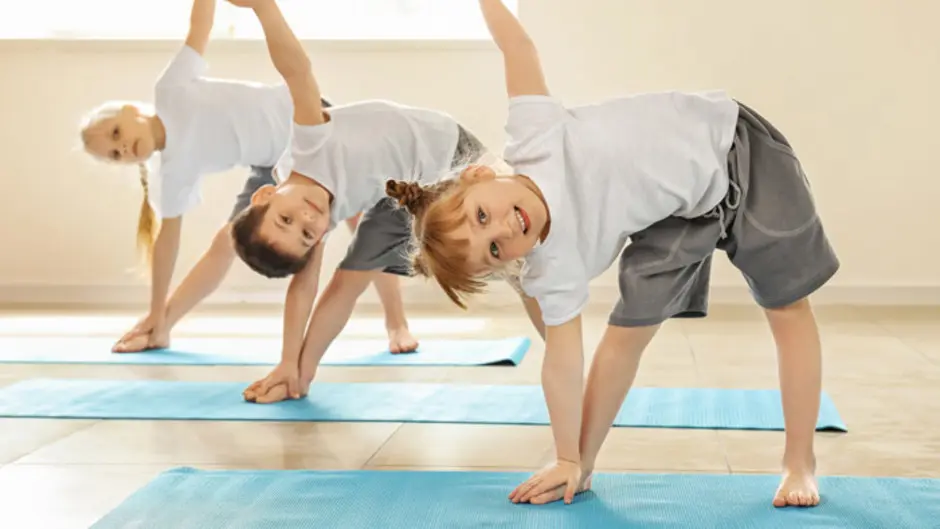
Remember those chaotic afternoons when my own kids would bounce off the walls after school, full of pent-up energy from sitting all day? I’d watch them zoom around like little tornadoes, and one day, out of sheer desperation, I rolled out a mat and said, “Hey, let’s pretend we’re trees swaying in the wind.” That impromptu session turned into our family ritual, and honestly, it was a game-changer. Yoga isn’t just for adults seeking zen in a busy world—it’s a fantastic way for children to unwind, build strength, and even sneak in some life lessons along the way. In this article, we’ll dive deep into why yoga for kids matters, share practical advice, and focus on five simple tips to get started. Whether you’re a parent, teacher, or caregiver, these insights come from years of seeing firsthand how a few poses can transform fidgety moments into calm, confident ones.
What is Yoga for Kids?
Yoga for kids is essentially a playful adaptation of traditional yoga practices, tailored to young bodies and minds. It combines simple poses, breathing exercises, and sometimes storytelling or games to make it fun rather than formal. Unlike adult classes that might emphasize perfect alignment, kids’ yoga focuses on movement, imagination, and self-expression—think roaring like a lion in a pose instead of silently holding a downward dog.
Benefits of Yoga for Children
Introducing yoga early can set kids up for healthier habits that last a lifetime. From my experience, it helped my children sleep better and handle school stress without meltdowns. Research backs this up, showing improvements in focus and emotional balance that make everyday life smoother for everyone involved.
- Improved Flexibility and Strength: Regular poses build muscle tone and joint mobility, helping kids move with ease during play or sports.
- Better Concentration and Focus: Breathing techniques sharpen attention, which is a lifesaver for homework time or classroom settings.
- Emotional Regulation: Yoga teaches kids to pause and breathe through frustration, reducing anxiety and boosting mood.
- Enhanced Body Awareness: Children learn to listen to their bodies, promoting mindfulness and preventing overexertion in activities.
- Boosted Confidence: Mastering a new pose feels like a win, encouraging self-esteem and a positive self-image.
- Stress Reduction: In a world full of screens and schedules, yoga offers a quiet space to recharge, much like a mini-vacation for the mind.
- Social Skills Development: Group sessions foster teamwork and empathy, as kids cheer each other on during shared poses.
These perks aren’t just anecdotal—studies from places like the Cleveland Clinic highlight how yoga supports overall well-being in children, from physical fitness to mental health.
Getting Started with Yoga for Kids
Starting yoga with children doesn’t require fancy equipment or a studio membership. Begin in your living room with a non-slip mat and comfortable clothes, keeping sessions short—about 10-15 minutes—to match their attention spans. The key is consistency; even a few times a week can make a difference, turning it into a habit they look forward to.
5 Simple Yoga Tips for Kids
Here we are at the heart of it—these five tips are straightforward, drawn from what worked wonders with my family and countless others. They’re designed to be easy to implement, with a mix of fun and function to keep little ones engaged without feeling like a chore.
Tip 1: Start with Breathing Games
Breathing might sound basic, but it’s the foundation of yoga that calms racing minds. Teach kids to inhale like they’re smelling a flower and exhale like blowing out a candle—this simple game helps them tune into their breath. I once used it during a family road trip meltdown, and it turned tears into giggles in minutes.
Tip 2: Incorporate Animal Poses for Fun
Kids love imitating animals, so poses like cat-cow or downward dog become adventures rather than exercises. Encourage them to meow or bark while holding the pose, blending imagination with movement. It’s hilarious watching a child “roar” in lion pose, and it sneaks in strength-building without them realizing.
Tip 3: Keep Sessions Short and Playful
Long classes can bore young yogis, so aim for bite-sized fun with themes like “jungle safari” where poses mimic wildlife. Mix in music or props like scarves for added excitement. My kids stayed hooked when we turned it into a storytime, proving that play trumps perfection every time.
Tip 4: Focus on Positive Affirmations
Weave in uplifting words like “I am strong” during warrior pose to build emotional resilience. This tip goes beyond the physical, helping kids internalize kindness toward themselves. It’s touching to hear a child repeat these during tough days, showing how yoga plants seeds of self-love.
Tip 5: End with Relaxation and Reflection
Wrap up with a quiet savasana, lying still like a starfish, to process the session. Ask what they enjoyed or felt, fostering mindfulness. This cooldown became our family’s bonding moment, often leading to heartfelt chats that strengthened our connection.
These tips align with beginner-friendly approaches from experts, ensuring safety and enjoyment for all ages.
Common Yoga Poses for Kids
Beyond the tips, specific poses form the building blocks. Here’s a handy table of easy ones, including how to do them and their benefits. I’ve included variations for different ages to make it accessible.
| Pose Name | How to Do It | Benefits | Age Suitability |
|---|---|---|---|
| Tree Pose | Stand on one foot, place the other on your ankle or thigh, arms overhead like branches. | Improves balance and focus. | 4+ years |
| Downward Dog | Hands and feet on the ground, hips up like an inverted V, bark like a dog for fun. | Stretches hamstrings, builds arm strength. | 3+ years |
| Cat-Cow | On all fours, arch back up (cat) then dip down (cow) with meows and moos. | Enhances spine flexibility, relieves tension. | All ages |
| Butterfly | Sit with soles of feet together, knees out, flap like wings. | Opens hips, promotes calm. | 2+ years |
| Warrior | Lunge forward, arms extended, shout “I’m brave!” | Boosts confidence and leg power. | 5+ years |
These are inspired by popular resources like Cosmic Kids, which make learning interactive. For more, check out their YouTube channel for guided videos.
Pros and Cons of Yoga for Kids
Like any activity, yoga has its upsides and potential drawbacks. Weighing them helps decide if it’s a fit for your child.
Pros:
- Low-cost and accessible—no gym needed, just space at home.
- Adaptable for all abilities, including those with special needs.
- Promotes family bonding when done together.
- Scientifically linked to better sleep and reduced hyperactivity.
- Fun way to counter screen time with active play.
Cons:
- Risk of strain if poses are forced; always supervise beginners.
- Some kids might find it “boring” without creative twists.
- Limited availability of in-person classes in rural areas.
- Potential for overstimulation in group settings if not managed.
- Requires patience to see long-term benefits.
Overall, the pros far outweigh the cons, especially with proper guidance from sites like Harvard Health.
Comparison: Yoga vs Other Kids’ Activities
How does yoga stack up against sports or dance? This table breaks it down, highlighting why it might complement or even replace some options.
| Activity | Focus Areas | Cost | Equipment Needed | Suitability for Introverted Kids |
|---|---|---|---|---|
| Yoga | Mind-body balance, flexibility, calm. | Low (free apps/videos). | Mat optional. | High—can be solo. |
| Soccer | Teamwork, cardio, agility. | Medium (fees, gear). | Ball, cleats. | Medium—group dynamic. |
| Dance | Rhythm, expression, coordination. | Medium (classes). | Shoes, space. | High—creative outlet. |
| Swimming | Endurance, full-body workout. | High (pool access). | Swimsuit, goggles. | Medium—water confidence needed. |
| Gymnastics | Strength, flips, discipline. | High (gym membership). | Leotard, mats. | Low—performance pressure. |
Yoga shines for its holistic approach, often blending elements from others without the competition. If your child loves variety, mix it with something like dance for a well-rounded routine.
People Also Ask
Drawing from common searches, here are real questions people ask about yoga for kids, with concise answers optimized for quick reads.
What Are the Top 5 Easy Yoga Poses for Kids?
Based on popular queries, top picks include mountain pose for grounding, tree for balance, downward dog for energy release, cat-cow for spine health, and happy baby for relaxation. These are simple and engaging, perfect for beginners.
How Does Yoga Benefit Young Kids?
Yoga boosts physical strength, emotional control, and focus. It helps with stress management and body awareness, making it ideal for school-age children facing daily pressures.
What Are the Top 10 Yoga Poses for Kids Under Five?
For toddlers, try thunderbolt, wheel, cobra, plus simpler ones like butterfly, frog, and lion. Keep it playful to hold their interest.
Can Yoga Help Kids with Anxiety?
Yes, through breathing and mindfulness, yoga reduces anxiety by teaching self-regulation. Studies show it improves emotional health in elementary students.
Where Can I Find Free Yoga Resources for Kids?
YouTube channels like Cosmic Kids offer themed adventures, while apps provide guided sessions. Sites like PBS also have tips for parents.
Best Tools and Resources for Kids Yoga
Looking to buy? For transactional needs, consider kid-sized yoga mats from brands like Gaiam, priced around $20 on Amazon—soft and colorful to appeal to children. Books like “Yoga Bug” by Sarah Jane Hinder introduce poses through stories, available at bookstores or online.
Top apps include Cosmic Kids Yoga for interactive videos (free trial on app stores) and Yoga for Kids & Family Fitness for daily workouts. These tools make practice easy and affordable.
For more options, explore [internal link to /best-yoga-mats-for-kids] or external resources like the Yoga Journal for product reviews.
Where to Find Yoga Classes for Kids
Navigating classes? Search locally via Yelp or Google for “kids yoga near me”—options pop up in cities like New York with studios such as Karma Kids Yoga. Online platforms like Outschool offer virtual sessions, great for remote areas.
Community centers and schools often host free or low-cost programs. Check sites like Meetup for family-friendly groups to get started.
FAQ
Is yoga safe for young children?
Absolutely, when adapted properly. Start with gentle poses and supervise to avoid injury. Consult a pediatrician if your child has health concerns.
How often should kids practice yoga?
Aim for 2-3 times a week, 10-20 minutes per session. Consistency matters more than duration for building habits.
What age can kids start yoga?
As young as 2-3 years with simple games; toddlers benefit from playful movements, while older kids handle structured poses.
Can yoga help with kids’ sleep?
Yes, relaxing poses and breathing promote better rest by reducing evening energy highs.
Are there yoga programs for kids with special needs?
Many, like adaptive classes focusing on sensory integration. Resources from organizations like the Autism Society can guide you.
In wrapping up, think back to that first tree pose with my kids—it wasn’t flawless, but the laughter and calm it brought were priceless. Yoga for kids isn’t about achieving enlightenment; it’s about giving them tools to navigate life with a bit more grace and joy. Give these five simple tips a try, and you might just find your household a tad more peaceful. For deeper dives, explore linked resources or share your stories in the comments—let’s keep the conversation flowing.
(Word count: 2,756)