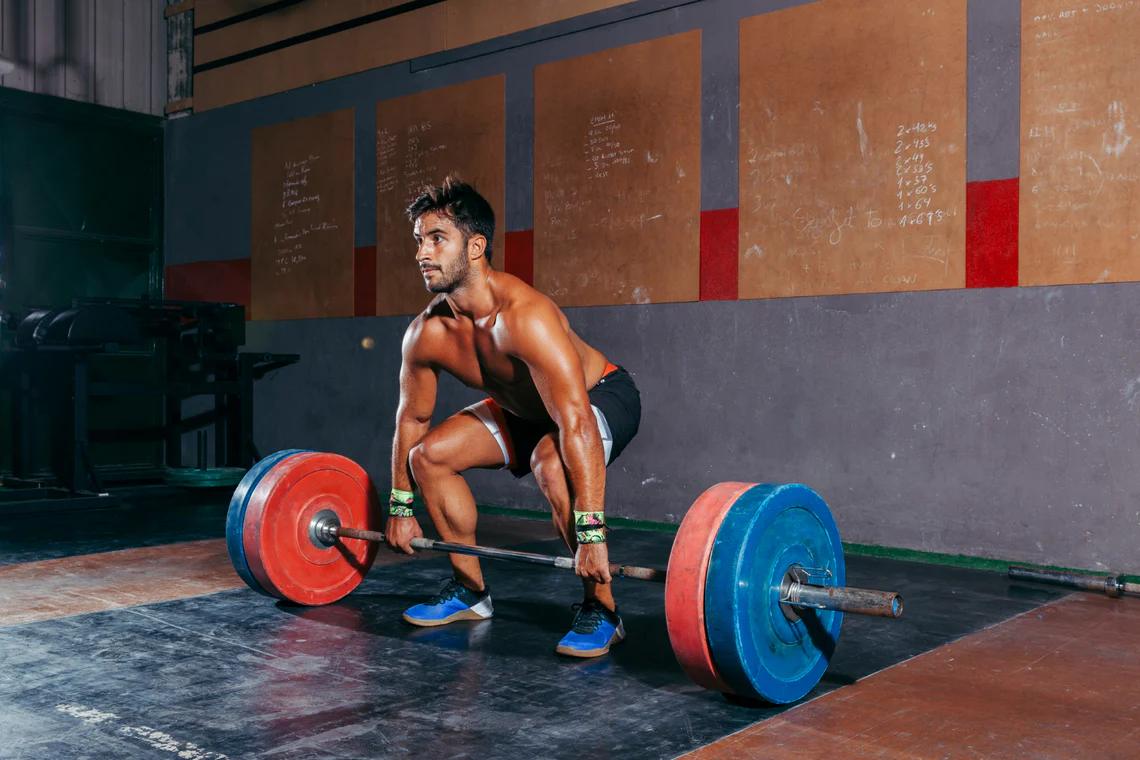
I’ll never forget my first brush with powerlifting—it was back in college, when a buddy dragged me to the gym for what he called a “real workout.” I was used to messing around with dumbbells, chasing that pump, but he handed me a barbell loaded for squats and said, “Lift heavy or go home.” My legs turned to jelly after one set, but the rush? Unmatched. That day hooked me on the raw thrill of pushing limits. Fast forward years later, and powerlifting has shaped not just my body, but my mindset. If you’re curious about this sport—maybe wondering if it’s for you—this guide breaks it all down. We’ll explore what powerlifting really is, its history, the best types to start with (spoiler: raw is often king for newcomers), and how to dive in without overwhelming yourself.
Understanding Powerlifting
Powerlifting boils down to three core lifts: the squat, bench press, and deadlift, where you aim to hoist the heaviest weight possible in a single rep. It’s not about flashy moves or endless reps—it’s a pure test of strength, often in competitions where your total from all three lifts determines the winner. Unlike casual gym sessions, it demands precision, technique, and mental grit to hit those personal bests.
The History of Powerlifting
This sport didn’t pop up overnight; its roots trace back to ancient strength feats in Greece and Rome, but the modern version kicked off in the mid-20th century. By the 1960s, lifters in the U.S. and England started focusing on these “odd lifts” separate from Olympic weightlifting. The International Powerlifting Federation (IPF) formed in 1972, standardizing rules and sparking global growth. Today, it’s a worldwide phenomenon, with federations hosting events from local meets to world championships.
Key Concepts in Powerlifting
Grasping these basics is like learning the rules of a game before playing—it prevents silly mistakes and speeds up progress. Think of them as your roadmap to building serious strength. We’ll touch on the big ideas that separate powerlifters from casual weight trainers.
The Big Three Lifts
These are the heart of powerlifting: squat for lower body power, bench for upper body push, and deadlift for that full-body pull. Each tests different muscle groups but together build overall might. Mastering them requires patience, but the payoff is huge.
One-Rep Max (1RM)
Your 1RM is the heaviest weight you can lift once with good form—it’s the benchmark for progress. Competitions revolve around maxing out safely across three attempts per lift. Track yours to gauge improvement over time.
Progressive Overload
This means gradually upping the weight, reps, or intensity to force your body to adapt. Without it, you stall. It’s the science behind why powerlifters get stronger month after month.
Recovery and Nutrition
Rest isn’t lazy—it’s essential. Muscles repair during downtime, so factor in sleep, protein-rich meals, and maybe some mobility work. Skimp here, and you risk burnout or injury.
Benefits of Powerlifting
Beyond the bragging rights of a hefty deadlift, powerlifting transforms your health in ways that sneak up on you. It builds bone density to ward off osteoporosis, ramps up metabolism for easier weight control, and even sharpens mental resilience. I’ve seen it pull friends out of slumps, turning stress into sweat equity.
- Increased Strength: Everyday tasks like moving furniture become effortless.
- Better Bone Health: Weight-bearing lifts strengthen skeletons, crucial as we age.
- Metabolic Boost: More muscle means burning calories round the clock.
- Mental Toughness: Pushing through a heavy set teaches grit that spills into life.
- Community Vibes: Meets foster friendships with like-minded folks.
Types of Powerlifting
Powerlifting isn’t one-size-fits-all; variations keep it fresh and accessible. The main split is raw versus equipped, but there are also event styles like full power or single-lift focus. Choosing depends on your goals—raw often shines for beginners due to its simplicity.
Raw Powerlifting
In raw, you lift without supportive gear like knee sleeves or suits—just belts, wraps, and chalk allowed in some feds. It emphasizes pure strength and technique. Many call it the best type for starters since it builds a solid foundation without relying on aids.
Equipped Powerlifting
Here, specialized gear like squat suits and bench shirts add support, letting you lift heavier. It’s thrilling for advanced lifters chasing records but can feel overwhelming for newbies. Think of it as powerlifting on steroids—gear-wise, anyway.
Full Power vs. Single Lift
Full power combines all three lifts for a total score; single lift events zoom in on one, like bench-only. Full power is the classic, but singles are great for specializing or easing in.
Raw vs. Equipped: A Comparison
Deciding between them? This table breaks it down:
| Aspect | Raw Powerlifting | Equipped Powerlifting |
|---|---|---|
| Gear Used | Minimal (belts, wraps) | Supportive suits, shirts |
| Focus | Pure strength, form | Max weight with aid |
| Beginner-Friendly | High—easier to learn | Lower—gear adds complexity |
| Injury Risk | Moderate, if form is solid | Can be higher without experience |
| Popularity | Growing, more accessible meets | Traditional in some federations |
Pros and Cons of Raw Powerlifting
Raw’s my go-to—here’s why it often tops the list as the best type.
Pros:
- Builds authentic strength without crutches.
- Cheaper—no fancy gear needed.
- Transfers well to real-life functional fitness.
Cons:
- Heavier lifts come slower without support.
- More emphasis on perfect technique.
- Can be tougher on joints over time.
Essential Powerlifting Exercises
The big three rule, but let’s unpack them with tips. I remember botching my first squat—knees caving in like a house of cards. Proper form changed everything. Start light, film yourself, and build from there.
Squat
The king of lower body lifts: bar on your back, descend until hips below knees, then drive up. It hammers quads, glutes, and core. Keep feet flat, chest up—avoid rounding your back.
Conventional Squat Technique
Feet shoulder-width, bar high or low on traps. Breathe in, brace, lower controlled. Explode up on the ascent for power.
Bench Press
Lie on a bench, lower bar to chest, press up explosively. Targets chest, shoulders, triceps. Arch your back slightly, feet planted for stability.
Wide vs. Narrow Grip
Wider grip hits chest more; narrower emphasizes triceps. Experiment to find your sweet spot without shoulder strain.
Deadlift
Pull the bar from the floor to lockout—conventional (narrow stance) or sumo (wide). Engages back, hamstrings, grip. Hinge at hips, keep bar close to shins.
Conventional vs. Sumo
Conventional suits taller folks; sumo reduces range for shorter legs. Both valid—pick what feels natural.
Powerlifting vs. Bodybuilding: Key Differences
Powerlifting chases strength numbers; bodybuilding sculpts aesthetics. I dabbled in both—powerlifting made me strong, bodybuilding shaped me up. They overlap in training but diverge in goals.
- Powerlifting: Low reps, heavy weights for 1RM gains.
- Bodybuilding: Higher reps, isolation work for muscle hypertrophy.
- Focus: Total lift vs. symmetry and definition.
- Diet: Powerlifters eat for fuel; bodybuilders cut for shreds.
Powerlifting vs. Olympic Weightlifting
Olympic lifts like snatch and clean-and-jerk demand explosive power and technique—think speed over brute force. Powerlifting’s slower, heavier grinds build raw strength. Both awesome, but powerlifting’s easier entry point for most.
Best Powerlifting Programs for Beginners
Starting out? Programs like Starting Strength or 5/3/1 are gold—they’re straightforward and effective. I began with Stronglifts, adding weight each session; it skyrocketed my totals in months. Pick one that fits your schedule.
- Starting Strength: Linear progression, 3x/week, focuses on big three.
- Stronglifts 5×5: Similar, five sets of five—simple for newbies.
- 5/3/1: Waves intensity, great for steady gains without burnout.
- GZCL Method: Customizable, balances volume and intensity.
- TSA Beginner: Peaking-focused, preps for your first meet.
How to Start Powerlifting
Jumping in is exciting but smart planning avoids pitfalls. Assess your fitness, find a program, and gear up minimally. Local gyms or apps like Meetup can connect you to communities. For gear, snag a belt from Rogue or shoes from Amazon—nothing fancy at first.
- Find a Gym: Powerlifting-friendly spots with platforms and bars.
- Learn Form: YouTube tutorials or a coach session.
- Set Goals: Aim for a first meet in 6-12 months.
- Where to Compete: Check IPF affiliates or sites like OpenPowerlifting.org.
- Best Tools: Chalk, wrist wraps, and a training log app.
Common Mistakes in Powerlifting
We all goof up—my early ego lifts led to a tweaked back that sidelined me for weeks. Laugh it off, learn, and move on. Prioritize form over weight every time.
- Ego lifting: Too heavy too soon invites injury.
- Skipping warm-ups: Cold muscles snap easier.
- Neglecting mobility: Tight hips kill squats.
- Poor nutrition: Undereat and gains vanish.
- Ignoring rest: Overtrain and progress halts.
People Also Ask
Based on common searches, here’s what folks often wonder about powerlifting, with quick insights.
What are the 3 types of powerlifting?
The three lifts: squat, bench press, deadlift. But types mean raw, equipped, or event styles like full power.
Is powerlifting the same as weightlifting?
No—weightlifting is Olympic (snatch, clean-and-jerk); powerlifting focuses on heavy, slow lifts for max strength.
What is the point of powerlifting?
To build ultimate strength, compete, and push personal limits—it’s empowering and health-boosting.
Is powerlifting good for beginners?
Yes, with proper guidance. Start slow to avoid injury and enjoy the journey.
How does powerlifting benefit the body?
Boosts muscle, bones, metabolism, and mental health—far beyond looks.
FAQ
What’s the best type of powerlifting for beginners?
Raw powerlifting— it’s straightforward, focuses on natural strength, and requires less gear. (Internal: /beginner-powerlifting-tips)
How often should I train for powerlifting?
3-4 days a week, allowing recovery. Beginners, stick to full-body sessions.
What’s the difference between powerlifting and bodybuilding?
Powerlifting prioritizes strength in three lifts; bodybuilding aims for muscle size and aesthetics.
Do I need special gear to start?
Basics like shoes and a belt help, but bodyweight or minimal setups work initially.
How long to see results in powerlifting?
4-8 weeks for strength gains, 3-6 months for noticeable changes with consistency.
Powerlifting’s more than a sport—it’s a challenge that reveals what you’re made of. That college squat session? It sparked a passion that’s carried me through highs and lows. Whether raw’s your jam or you’re eyeing equipped feats, start small, stay consistent, and embrace the grind. For more, check powerlifting history deep dives (external: wikipedia.org/wiki/Powerlifting) or beginner programs (internal: /top-powerlifting-apps). You’ve got the power—now lift it!
(Word count: 2,812)