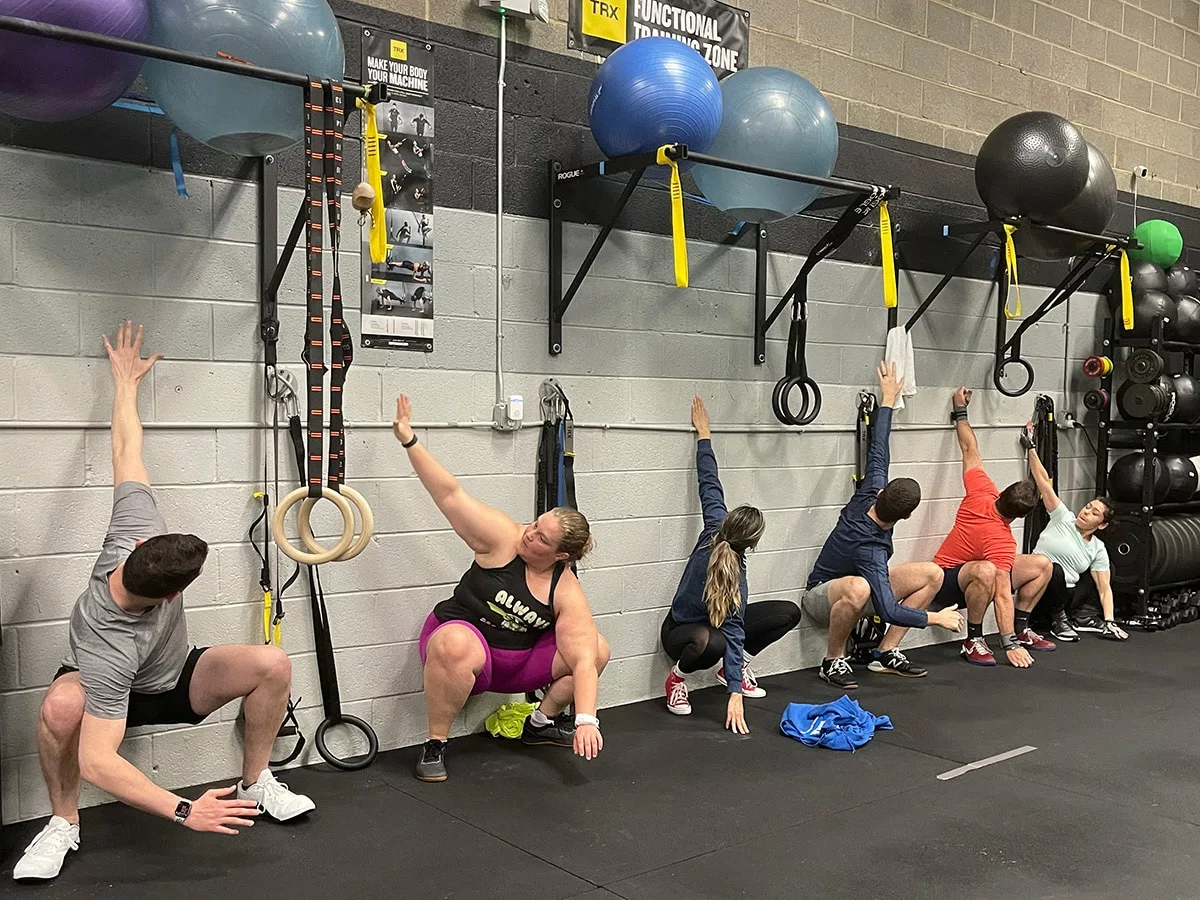
Picture this: it’s 6 a.m., I’m standing in a gym that smells faintly of rubber and sweat, surrounded by people of all shapes and sizes, from a marathon-running mom to a guy who looks like he could bench press a small car. The coach yells, “Three, two, one, go!” and suddenly we’re all flipping tires, swinging kettlebells, and cheering each other on like we’ve known each other for years. That was my first CrossFit class three years ago, and I was hooked—exhausted, but hooked. CrossFit isn’t just a workout; it’s a high-energy, community-driven fitness philosophy that blends strength, cardio, and grit into one intense package. If you’ve ever wondered what CrossFit is, why it’s got such a cult-like following, or how to jump in without feeling overwhelmed, you’re in the right place. This guide will break it all down, sharing what I’ve learned from my own sweat-soaked journey, plus insights backed by experts, to help you decide if CrossFit is your next fitness adventure.
Understanding CrossFit: The Basics
CrossFit is a high-intensity fitness program that combines functional movements, strength training, and cardiovascular exercise into varied, scalable workouts. Founded by Greg Glassman in 2000, it emphasizes constantly varied workouts performed at high intensity, tailored to all fitness levels. It’s not just about lifting heavy or running fast—it’s about building a well-rounded, capable body.
Think of it as fitness’s Swiss Army knife: versatile, practical, and ready for anything. Whether you’re a beginner or an elite athlete, CrossFit’s adaptability makes it accessible yet challenging.
The Core Principles of CrossFit
At its heart, CrossFit focuses on functional movements—think squatting, lifting, or pulling—that mimic real-life activities. It prioritizes intensity to maximize results in less time and variety to keep things fresh. Workouts, or WODs (Workouts of the Day), blend disciplines like weightlifting, gymnastics, and cardio.
This mix keeps your body guessing, preventing plateaus and boredom. It’s why every session feels like a new challenge, even for seasoned CrossFitters.
How CrossFit Differs from Traditional Gym Workouts
Unlike the repetitive sets of bicep curls or treadmill slogs at a standard gym, CrossFit throws in everything from Olympic lifts to burpees in one session. It’s less about aesthetics and more about performance—how much you can do, not how you look. The group setting also fosters accountability and camaraderie.
You’re not just working out; you’re part of a team pushing each other to finish strong. That vibe was a game-changer for me compared to solo gym sessions.
Why CrossFit? Benefits That Pack a Punch
CrossFit’s popularity isn’t just hype—it delivers results that transform both body and mind. From my first month, I noticed changes in my stamina, strength, and even my confidence. Studies and athlete testimonials back this up, showing CrossFit’s measurable impact on fitness and well-being.
It’s not about becoming a bodybuilder; it’s about becoming a stronger, more capable version of yourself, ready for whatever life throws your way.
Builds Functional Strength
CrossFit trains your body for real-world tasks, like carrying groceries or climbing stairs without gasping. Movements like deadlifts or kettlebell swings strengthen multiple muscle groups at once. After a few months, I could haul furniture up stairs without breaking a sweat—something I never thought possible.
This strength translates to everyday life, making you more resilient and injury-resistant over time.
Boosts Cardiovascular Endurance
With high-intensity intervals, CrossFit pushes your heart rate up, improving aerobic and anaerobic capacity. Workouts like “Cindy” (a mix of pull-ups, push-ups, and squats) leave you breathless but stronger. My runs got faster without ever stepping on a treadmill, which felt like a small miracle.
Better cardio means more energy for daily tasks and longer workouts without fading.
Enhances Mental Toughness
CrossFit tests your grit—pushing through a grueling WOD builds resilience that spills into other areas of life. I remember struggling through my first “Fran” (a brutal thruster and pull-up combo) and feeling unstoppable after finishing. It’s as much a mental workout as a physical one.
This mindset shift helps tackle challenges outside the gym, from work stress to personal goals.
Fosters Community and Motivation
The group dynamic is CrossFit’s secret sauce—strangers become cheerleaders, pushing you to keep going. I’ve made lifelong friends shouting encouragement mid-workout. Unlike solo gym sessions, the community keeps you accountable and motivated.
It’s like having a squad that celebrates your wins, no matter how small, making every session feel like a team effort.
Improves Overall Fitness
CrossFit’s mix of strength, cardio, and flexibility creates a balanced fitness profile. It targets ten domains: strength, stamina, endurance, flexibility, power, speed, coordination, agility, balance, and accuracy. Over time, you’ll notice improvements across the board, from lifting heavier to moving more fluidly.
It’s a holistic approach that leaves no fitness stone unturned.
- Accelerates Fat Loss: High-intensity workouts burn calories efficiently, even post-workout, via the afterburn effect.
- Scalable for All Levels: Beginners can modify movements, while pros can ramp up intensity.
- Time-Efficient: Most WODs last 10-20 minutes, perfect for busy schedules.
- Reduces Risk of Chronic Disease: Improved fitness lowers risks of heart disease and diabetes, per health studies.
Getting Started with CrossFit
Jumping into CrossFit can feel daunting—trust me, I was intimidated by the ripped athletes and heavy barbells my first day. But the beauty is its scalability; every move can be adjusted to your level. Start by finding a reputable gym (or “box” in CrossFit lingo) and signing up for an intro session.
Most boxes offer beginner-friendly “On-Ramp” programs to teach fundamentals, ensuring you’re safe and confident before diving in.
Finding a CrossFit Box
Look for an affiliate gym with certified coaches and a welcoming vibe—check reviews on Google or Yelp. Visit for a trial class to feel the culture; a good box feels like a second home. I found mine by asking friends for recommendations, which led me to a gem just ten minutes away.
Location and community matter as much as the programming, so shop around.
Essential Gear for CrossFit Beginners
You don’t need much to start, but the right gear boosts comfort and performance. A good pair of CrossFit shoes (like Nike Metcon or Reebok Nano) offers stability for lifts and agility for jumps. Comfortable workout clothes and a water bottle are musts.
Invest in quality to avoid blisters or slips—my cheap sneakers failed me during box jumps, and I learned the hard way.
Best Tools for CrossFit Training
Here’s a quick guide to starter gear:
| Item | Recommendation | Why It’s Great | Price Range |
|---|---|---|---|
| CrossFit Shoes | Reebok Nano X2 | Durable, versatile for all WODs | $100-140 |
| Wrist Wraps | Rogue Fitness Wraps | Joint support for heavy lifts | $15-25 |
| Jump Rope | RPM Speed Rope | Adjustable for fast double-unders | $30-50 |
| Gym Bag | Under Armour Hustle | Spacious for gear and towels | $40-60 |
These essentials keep you prepared without breaking the bank.
What to Expect in Your First Class
Your first class will likely include a warm-up, skill practice (like learning a squat), and a short WOD. Coaches guide you through movements, ensuring proper form to prevent injury. My first session left me sore but energized, with a coach cheering me on like an old friend.
Expect to feel challenged but supported—everyone starts somewhere.
Sample CrossFit WODs for Beginners
To give you a taste, here are two beginner-friendly WODs. Always scale to your ability and consult a coach for form.
WOD 1: Modified Cindy (AMRAP 10 Minutes)
As Many Rounds As Possible (AMRAP) in 10 minutes:
- 5 Assisted Pull-Ups (use bands)
- 10 Push-Ups (on knees if needed)
- 15 Air Squats
This builds endurance and strength without overwhelming newbies. I loved how it pushed me but didn’t break me.
WOD 2: EMOM (Every Minute on the Minute) for 12 Minutes
- Minute 1: 10 Kettlebell Swings (light weight)
- Minute 2: 15 Sit-Ups
- Minute 3: Rest
EMOMs teach pacing and keep intensity high but manageable. It’s a great intro to CrossFit’s structure.
Comparison: CrossFit vs. Other Fitness Programs
How does CrossFit stack up against other workouts? Here’s a breakdown:
| Program | Intensity | Community | Cost | Beginner-Friendliness |
|---|---|---|---|---|
| CrossFit | High | Strong | $100-200/month | Moderate (with coaching) |
| Traditional Gym | Variable | Weak | $20-80/month | High |
| Spin Classes | Moderate | Moderate | $15-30/class | High |
| HIIT (e.g., F45) | High | Strong | $100-150/month | Moderate |
CrossFit shines for its community and variety but requires commitment and a higher budget.
Pros and Cons of CrossFit Training
Pros:
- Comprehensive fitness improvement across strength, cardio, and mobility.
- Supportive community boosts motivation and accountability.
- Scalable workouts suit all levels, from beginners to pros.
- Time-efficient for busy lifestyles.
Cons:
- Higher cost compared to standard gyms.
- Risk of injury if form isn’t prioritized—coaching is key.
- Intense workouts may intimidate beginners initially.
- Not ideal for those seeking low-impact exercise.
People Also Ask
What is CrossFit training good for?
CrossFit builds overall fitness—strength, endurance, and agility—while fostering mental toughness and community. It’s ideal for those wanting a versatile, high-energy workout that translates to daily life. Regular practice can improve health markers like blood pressure and body composition.
Is CrossFit suitable for beginners?
Yes, with proper coaching and scaling, beginners can thrive in CrossFit. Most boxes offer introductory classes to teach basics safely. Start slow, focus on form, and you’ll progress quickly without overwhelm.
How often should you do CrossFit?
Beginners should aim for 2-3 sessions per week to allow recovery. As fitness improves, 4-5 days with rest or active recovery days works well. Listen to your body to avoid burnout.
Does CrossFit help you lose weight?
CrossFit’s high-intensity workouts burn calories and build muscle, aiding fat loss. Combined with a balanced diet, it’s effective for weight management. Results vary, but consistency is key.
FAQ
Do I need to be fit to start CrossFit?
No, CrossFit is designed for all levels—workouts scale to your ability. Coaches modify movements, like using lighter weights or assisted pull-ups, to ensure safety and progress.
Where can I find a CrossFit gym?
Search “CrossFit near me” on Google or visit CrossFit’s official affiliate map to find certified boxes. Check reviews and try a free class to gauge fit.
What’s the best CrossFit app for tracking WODs?
Apps like SugarWOD or Beyond the Whiteboard track workouts and progress. They’re user-friendly, with community features to share results and stay motivated.
Can CrossFit cause injuries?
With poor form or overexertion, injuries are possible, but certified coaches minimize risks by teaching proper technique. Start with light weights and prioritize learning over ego.
How much does CrossFit cost?
Membership varies by location, typically $100-200/month. Some boxes offer discounts for longer commitments or first responders. Compare local gyms for the best deal.
CrossFit transformed my fitness journey, turning workouts into a daily highlight rather than a chore. It’s not just about the sweat—it’s about the community, the challenge, and the growth. Ready to try it? Find a local box, lace up your shoes, and dive into a WOD. For more fitness tips, explore Bodybuilding.com or our internal guides on strength training. Here’s to getting stronger, one rep at a time!
(Word count: 2,672)