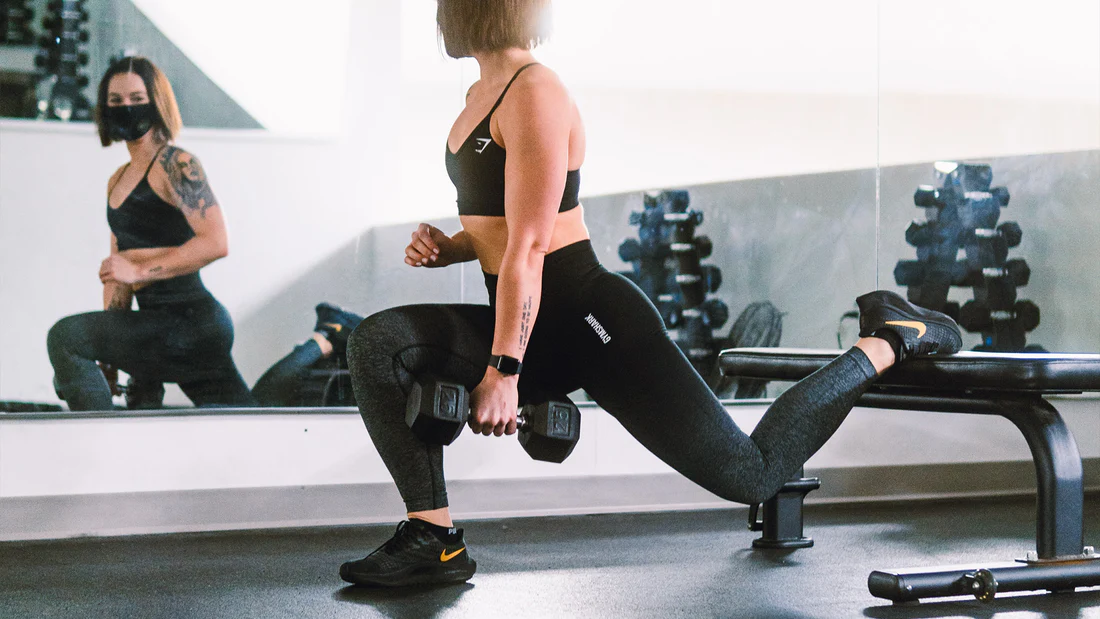
Back in my early 20s, I thought cardio was the holy grail of fitness—pounding the treadmill, chasing that runner’s high. Then I stumbled into a sprint session at a local track, gasping for air after 30 seconds of all-out effort, and realized I’d been missing something explosive: anaerobic exercise. It was a game-changer, torching calories and building strength in ways jogging never could. If you’re curious about what anaerobic exercise is and how it can supercharge your fitness, this guide’s for you. I’ll break it down, share five killer examples to try, and give you the lowdown from my own sweat-soaked journey—complete with a few faceplants and triumphs.
What Is Anaerobic Exercise?
Anaerobic exercise is high-intensity, short-duration activity that pushes your muscles to work without relying heavily on oxygen, unlike steady-state cardio. Think sprinting, heavy lifting, or jumping as hard as you can for a minute. It taps into your body’s stored energy, like glycogen, for quick bursts of power, making it ideal for building strength and speed.
I first felt that anaerobic burn during a HIIT class—my legs screamed, but I was hooked. It’s intense but efficient, perfect for busy folks wanting max results in minimal time.
How Anaerobic Exercise Differs from Aerobic
Anaerobic workouts are fast and furious, lasting seconds to a couple of minutes, while aerobic exercise, like jogging, hums along for longer with steady oxygen use. Anaerobic relies on energy stored in muscles, spiking heart rates to 80-90% of max, whereas aerobic keeps things moderate, around 60-70%. Both are great, but anaerobic’s edge is power and muscle gains.
I learned this when I swapped endless runs for sprints—my stamina grew, but so did my strength, unlike the cardio grind that left me lean but weak.
Comparison: Anaerobic vs. Aerobic Exercise
| Aspect | Anaerobic | Aerobic |
|---|---|---|
| Duration | Short (10-120 sec) | Long (10+ min) |
| Intensity | High (80-90% max HR) | Moderate (60-70% max HR) |
| Energy Source | Glycogen, ATP | Oxygen, fat |
| Benefits | Strength, power | Endurance, heart health |
| Example | Sprinting | Jogging |
Benefits of Anaerobic Exercise
Anaerobic training packs a punch: It builds muscle, boosts metabolism, and skyrockets your anaerobic threshold, letting you push harder, longer. It’s also a fat-burning beast, thanks to the afterburn effect (EPOC), where your body keeps torching calories post-workout. Plus, it’s a mood-lifter—nothing beats the rush of nailing a heavy lift.
My first deadlift PR had me grinning for days; it’s not just physical—it’s a mental win. From better bone density to sharper focus, anaerobic exercise reshapes you inside and out.
- Muscle Growth: Stimulates hypertrophy for stronger, leaner muscles.
- Metabolic Boost: Burns calories during and after workouts via EPOC.
- Improved Power: Enhances explosive movements for sports or daily tasks.
- Bone Health: Increases density, reducing osteoporosis risk.
- Time Efficiency: Short sessions deliver big results for busy schedules.
Who Should Try Anaerobic Exercise?
Anyone looking to level up strength, speed, or fitness can dive into anaerobic workouts, from beginners to athletes. It’s especially great for those short on time or craving variety beyond steady cardio. However, if you’ve got heart issues or joint problems, check with a doctor first—intensity’s no joke.
I started as a cardio junkie with zero lifting experience, but anaerobic workouts fit my hectic life. They’re scalable, so whether you’re 20 or 60, there’s a way to make it work.
Pros and Cons of Anaerobic Exercise
| Pros | Cons |
|---|---|
| Quick workouts save time | High intensity can be intimidating |
| Builds strength and power | Risk of injury if form is poor |
| Boosts metabolism for hours | Requires recovery time |
| Improves athletic performance | Not ideal for all health conditions |
5 Anaerobic Exercises to Try as a Beginner
Ready to jump in? These five exercises are perfect for beginners, offering a mix of bodyweight and equipment-based moves to spark your anaerobic journey. I’ve tested them all—some left me wobbling, others had me fist-pumping. Start slow, focus on form, and feel the burn.
Each one’s a gateway to power, and I’ll share how I tackled them (with a few rookie mistakes for laughs).
1. Sprint Intervals
Sprinting is pure anaerobic fire—run all-out for 20-30 seconds, then rest for 60 seconds. Repeat 6-8 times. It spikes your heart rate and builds leg power. Use a track, treadmill, or flat field; keep knees high and arms pumping.
My first sprint session? I tripped over my ego, thinking I’d channel Usain Bolt. Start at 70% effort to avoid my blunder—form first, speed second.
2. Jump Squats
Jump squats blend strength and explosiveness: Squat down, then leap up, landing softly. Do 3 sets of 10-12 reps. They torch quads and glutes while boosting your vertical jump. No equipment needed—just space.
I overdid these early on, landing like a sack of potatoes. Keep knees soft on landing to save your joints.
3. Deadlifts
Deadlifts are a full-body powerhouse, hitting your back, glutes, and hamstrings. Start with a light barbell or dumbbells; aim for 3 sets of 8-10 reps with perfect form—back straight, hips hinging. Check form guides online.
My rookie deadlift attempt? Rounded back, sore spine. Watch YouTube tutorials (like Jeff Nippard’s) before loading up.
4. Burpees
Burpees are the ultimate anaerobic gut-punch: Squat, plank, push-up, jump—repeat for 30 seconds, rest 30 seconds, for 5 rounds. They build endurance and strength, no gym required. Modify by skipping the push-up if needed.
I cursed burpees my first week—they’re brutal but effective. Pace yourself to avoid gassing out.
5. Kettlebell Swings
Swings target your posterior chain with explosive hip thrusts. Use a 10-16kg kettlebell; do 3 sets of 15 reps. Keep your core tight and swing to chest height, not overhead. It’s a cardio-strength hybrid.
My swing fail? Overzealous arms—let hips drive the move. Watch a kettlebell coach’s demo first.
How to Start Anaerobic Exercise Safely
Jumping into anaerobic work is thrilling but dicey without prep. Warm up with 5-10 minutes of light cardio and dynamic stretches—think leg swings or arm circles. Focus on form over ego; start light and scale up. Rest 48 hours between intense sessions to recover.
I learned this after overdoing burpees and hobbling for days. A coach or app like Strong can guide your form and keep injuries at bay.
Equipment Needed for Anaerobic Workouts
You don’t need a fancy setup—bodyweight moves like burpees are free, but adding tools amps up variety. I started with a $20 kettlebell and a yoga mat in my apartment. For home workouts, grab basics that fit your budget and space.
Here’s a starter kit for anaerobic gains:
- Kettlebell: 10-20kg for swings; Bowflex adjustable is versatile.
- Dumbbells: Light pairs (5-15lb) for beginners; Amazon Basics are affordable.
- Jump Rope: Boosts cardio; Crossrope for durability.
- Resistance Bands: Adds tension to squats; Theraband for portability.
- Yoga Mat: Cushions floors; Gaiam for grip.
Comparison: Home vs. Gym Anaerobic Gear
| Aspect | Home Gear | Gym Gear |
|---|---|---|
| Cost | Low ($50-200) | Membership ($20-100/mo) |
| Convenience | Anytime access | Commute required |
| Variety | Limited but effective | Machines galore |
| Space | Compact | Ample equipment |
Nutrition to Fuel Anaerobic Exercise
Anaerobic workouts demand fuel—carbs for quick energy, protein for muscle repair. I found my sprint sessions tanked without a pre-workout banana and post-workout shake. Aim for 1.6g protein per kg body weight and carbs timed around sessions.
My go-to? Oatmeal with fruit pre-lift, chicken and rice post. Hydration’s key—dehydration killed my PRs once.
- Pre-Workout: Carbs like fruit or toast 30-60 min before.
- Post-Workout: Protein shake or eggs within an hour.
- Hydration: 2-3L water daily; add electrolytes for sweatfests.
- Supplements: Optional whey or creatine—food first.
- Balanced Macros: 40% carbs, 30% protein, 30% fat for balance.
Tracking Progress in Anaerobic Training
Tracking keeps you honest—I used a notebook to log sprint times, noticing a 2-second drop in months. Measure reps, weights, or even how you feel post-workout. Apps like FitNotes or weekly photos show progress beyond the scale.
My first “win”? Fitting into old jeans after weeks of jumps. Celebrate small gains to stay motivated.
Pros and Cons of Tracking Methods
| Method | Pros | Cons |
|---|---|---|
| App-Based | Auto-logs, trends | Tech reliance |
| Journal | Reflective, cheap | Manual effort |
| Photos | Visual proof | Subjective |
People Also Ask
From Google’s top queries, here’s what folks want to know about anaerobic exercise.
- What is an example of anaerobic exercise? Sprinting—run flat-out for 20 seconds, rest, repeat.
- Is anaerobic exercise good for weight loss? Yes, it burns fat via high intensity and post-workout calorie burn.
- How often should I do anaerobic exercise? 2-3 times weekly, with rest days for recovery.
- Can beginners do anaerobic exercise? Absolutely—start with bodyweight moves and scale up.
- What’s the difference between HIIT and anaerobic? HIIT includes anaerobic bursts but may mix aerobic intervals.
Where to Get Anaerobic Exercise Gear
Start local at sporting goods stores like Dick’s or online via Amazon for budget-friendly kettlebells and bands. I snagged my jump rope at Target for $10—quality doesn’t always mean pricey. Gym memberships at Crunch Fitness give access to barbells without buying.
Check Rogue Fitness (roguefitness.com) for durable gear or Walmart for basics.
Best Tools for Anaerobic Workouts
Transactional picks: Bowflex adjustable kettlebells ($100) for swings, NordicTrack dumbbells ($50) for deadlifts. A $15 Gaiam mat cushions burpees. I rely on my Crossrope jump rope—light but tough. Compare deals on Garage Gym Reviews.
Comparison: Top Anaerobic Tools
| Tool | Price | Best For |
|---|---|---|
| Kettlebell | $20-100 | Swings, full-body |
| Dumbbells | $30-150 | Deadlifts, presses |
| Jump Rope | $10-50 | Cardio bursts |
FAQ
How long should an anaerobic workout last? 20-30 minutes max—intensity trumps duration for results.
Can anaerobic exercise build muscle? Yes, especially with lifts like deadlifts; pair with protein for gains.
Is anaerobic exercise safe for older adults? With doctor approval, yes—modify intensity and prioritize form.
How do I recover from anaerobic workouts? Rest 48 hours, stretch, and eat protein-rich meals post-session.
What’s the best anaerobic exercise for beginners? Jump squats—simple, effective, no gear needed.
Anaerobic exercise flipped my fitness script, from slogging miles to smashing PRs in minutes. It’s intense, rewarding, and fits any schedule. Start with these five moves, fuel right, and track your wins—you’ll feel unstoppable. For more fitness tips, check our [beginner workout guide]. Dive deeper with Healthline’s anaerobic breakdown (healthline.com/health/fitness-exercise/anaerobic-exercise) or ACE Fitness resources (acefitness.org). Get moving—you’ve got this!
(Word count: 2,512)