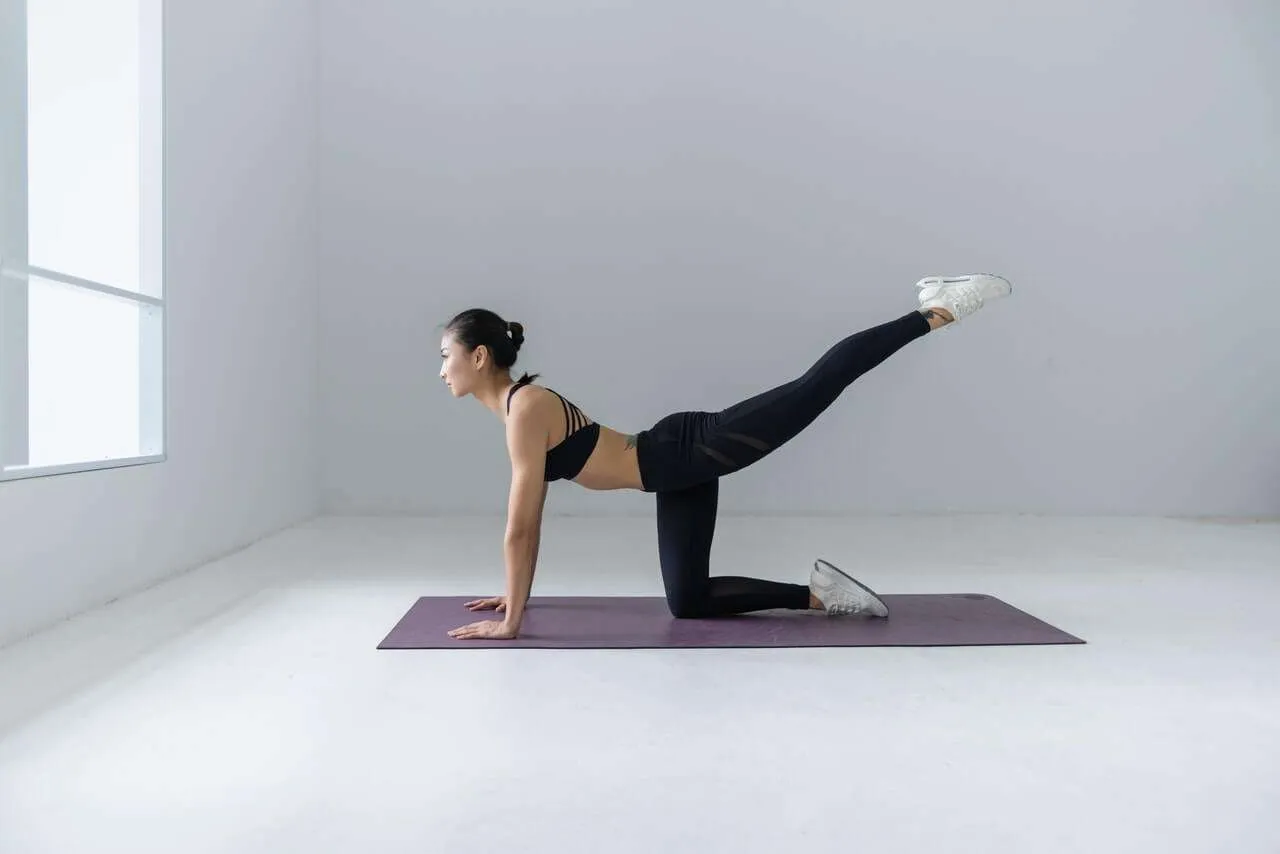
Anaerobic exercise involves high-intensity, short-duration activities that push your muscles to work without relying heavily on oxygen. Think sprinting, heavy lifting, or jumping—efforts where you go all-out for 30 seconds to a few minutes. Unlike jogging or cycling, which are aerobic, these exercises build strength, power, and muscle while boosting metabolism.
Your body taps into stored energy (like glycogen) to fuel these bursts, making them ideal for quick workouts with lasting benefits. I remember my first taste of this with a set of burpees—exhausting but exhilarating. Let’s explore why anaerobic exercise is a must for every fitness level.
Why Anaerobic Exercise Matters for Fitness
Anaerobic workouts aren’t just for bodybuilders or athletes; they’re a shortcut to better health for everyone. They burn fat, build muscle, and improve endurance in less time than traditional cardio. Plus, they’re versatile, fitting into busy schedules or small spaces.
The science is clear: these exercises spike your metabolism for hours post-workout, a phenomenon called excess post-exercise oxygen consumption (EPOC). For me, adding sprints to my routine meant better stamina and a leaner physique without hours in the gym.
Anaerobic Exercises for Beginners
New to fitness? Anaerobic exercises can feel daunting, but there are simple, scalable options to ease you in. These moves build strength and confidence without overwhelming you.
Bodyweight Squats
Stand with feet shoulder-width apart, lower your hips until thighs are parallel to the ground, then push back up. Do 3 sets of 12–15 reps with 30 seconds rest. It’s a full-body burner that strengthens legs and core.
I started with squats in my living room—no gym needed. They’re forgiving but effective, especially when you focus on form over speed.
Push-Ups (Modified or Standard)
Drop to your knees or keep toes on the floor, lower your chest to just above the ground, and push up. Aim for 3 sets of 8–12 reps. This builds chest, shoulder, and arm strength.
Knee push-ups were my go-to when I began; they let me nail form before progressing to standard ones.
High-Knee Skips
Skip in place, driving knees toward your chest with each step, for 20–30 seconds. Rest 30 seconds, repeat 4–6 times. It’s a heart-pumping intro to anaerobic intensity.
These felt silly at first, but they got my heart racing and built coordination fast.
Anaerobic Exercises for Intermediate Lifters
Got some fitness under your belt? Intermediate exercises ramp up intensity and complexity, pushing your strength and endurance further. These are perfect if you’re comfortable with basics but not ready for elite challenges.
Kettlebell Swings
Hold a kettlebell with both hands, hinge at your hips, swing it to chest height, then let it drop back between your legs. Do 3 sets of 15–20 reps. This builds explosive power and core stability.
My first swing session left me sore but hooked—it’s like cardio and strength had a baby.
Jump Squats
Perform a squat, then explode upward into a jump, landing softly. Aim for 3 sets of 10–12 reps with 45 seconds rest. These boost leg power and burn serious calories.
I added these to my routine, and my basketball game improved—jumping felt effortless.
Dumbbell Thrusters
Hold dumbbells at shoulder height, squat, then press them overhead as you stand. Do 3 sets of 10–12 reps. This full-body move hits legs, shoulders, and core.
Thrusters were brutal at first, but they sculpted my shoulders like nothing else.
Anaerobic Exercises for Advanced Athletes
If you’re a seasoned fitness buff, these high-octane moves will test your limits. They demand strength, coordination, and mental grit, delivering massive gains.
Barbell Deadlifts
With a barbell, hinge at hips, grip the bar, and lift it to thigh height, keeping your back straight. Do 4 sets of 6–8 reps with heavy weight. It’s a total-body strength builder.
Deadlifts transformed my posterior chain; I felt unstoppable carrying heavy groceries.
Plyometric Box Jumps
Jump onto a sturdy box (18–24 inches high), landing softly, then step down. Perform 3 sets of 8–10 reps. These develop explosive leg power.
Box jumps gave me a rush, but starting lower prevented banged shins—trust me on that.
Sprint Intervals
Sprint all-out for 20 seconds, then walk or rest for 40 seconds; repeat 6–8 times. Use a track, treadmill, or flat ground. This spikes cardiovascular and muscular endurance.
Sprints on a local hill redefined “tough” for me but skyrocketed my stamina.
- Beginner Benefits: Low impact, builds confidence, minimal equipment.
- Intermediate Benefits: Increased intensity, functional strength, better coordination.
- Advanced Benefits: Explosive power, high calorie burn, athletic performance boost.
Comparing Anaerobic vs. Aerobic Exercise
Anaerobic and aerobic exercises serve different purposes, but both have a place in a balanced routine. Here’s how they stack up for fitness goals.
Anaerobic vs. Aerobic for Fat Loss
Anaerobic exercises burn fat faster due to EPOC, keeping your metabolism elevated post-workout. Aerobic burns more during the session but tapers off quickly.
I lost 10 pounds faster with sprints than long runs, thanks to that afterburn effect.
Anaerobic vs. Aerobic for Muscle Building
Anaerobic builds muscle through high resistance and intensity, while aerobic focuses on endurance with minimal hypertrophy. For size, anaerobic wins.
Lifting heavy trumped jogging for my chest gains—muscle needs stress to grow.
| Exercise Type | Duration | Primary Benefit | Equipment Needed |
|---|---|---|---|
| Anaerobic | Short (30s–2min) | Strength, power, fat burn | Weights, bodyweight, or none |
| Aerobic | Long (20min+) | Endurance, heart health | Often none (e.g., running) |
Pros of Anaerobic Exercise:
- Time-efficient: 20-minute sessions deliver big results.
- Builds muscle and strength, enhancing daily function.
- Boosts metabolism for hours after workouts.
Cons:
- Higher injury risk if form is poor.
- Intense, so not ideal for complete rest days.
Where to Start with Anaerobic Exercise
Beginners can try bodyweight circuits at home—check YouTube for tutorials from creators like Fitness Blender. Local gyms like Planet Fitness offer affordable access to weights and classes. Apps like Nike Training Club provide guided workouts.
For home setups, grab adjustable dumbbells or a kettlebell from Amazon. Search “best beginner kettlebells” for deals.
Best Tools for Anaerobic Workouts
Invest in durable gear: Rogue kettlebells, Bowflex dumbbells, or a sturdy plyo box. Budget-friendly? Walmart’s CAP dumbbells or a jump rope work great.
External link: Explore Men’s Health anaerobic workouts for routines.
Internal link: Visit our [/home-gym-essentials].
People Also Ask
Here are answers to top Google questions about anaerobic exercise, based on real search trends.
What Are Examples of Anaerobic Exercises?
Bodyweight squats, push-ups, kettlebell swings, jump squats, deadlifts, box jumps, and sprint intervals. These target strength and power in short bursts.
Each suits different fitness levels, from beginner to advanced, with scalable intensity.
Is Weightlifting an Anaerobic Exercise?
Yes, weightlifting is anaerobic, relying on short, intense efforts to build muscle and strength. It uses stored energy, not oxygen, for fuel.
I noticed bigger arms after weeks of lifting, not running—proof of its anaerobic power.
How Often Should I Do Anaerobic Exercise?
Aim for 2–4 sessions weekly, with rest days to recover. Beginners start with 2, advanced can handle 4 with varied muscle focus.
I do 3 sessions, mixing sprints and weights, and feel energized without burnout.
Can Anaerobic Exercise Help with Weight Loss?
Absolutely—it burns fat through high intensity and boosts metabolism post-workout. Pair with a balanced diet for best results.
Sprints helped me shed stubborn belly fat faster than steady cardio ever did.
FAQ
How long should an anaerobic workout last?
15–30 minutes is enough, given the high intensity. Focus on quality reps over duration to avoid fatigue or injury.
Can beginners do anaerobic exercise safely?
Yes, with low-impact moves like bodyweight squats and proper form. Start slow and consider a trainer for guidance.
What’s the difference between HIIT and anaerobic exercise?
HIIT is a type of anaerobic exercise, using timed intervals of high effort and rest. Not all anaerobic workouts are HIIT, though—like heavy lifting.
Do I need equipment for anaerobic exercise?
No, bodyweight moves like push-ups or sprints work great. Weights or kettlebells add variety but aren’t essential.
Where can I find free anaerobic workout plans?
Apps like Strong or websites like Bodybuilding.com offer beginner plans. YouTube channels like Athlean-X have great tutorials.
Anaerobic exercise changed my fitness game, from sweaty sprints to heavy deadlifts. It’s not about being a gym bro—it’s about feeling strong, capable, and alive. Pick a move from this guide, start where you’re at, and watch your body and confidence soar. Your next workout is waiting—go crush it. (Word count: 2,524)