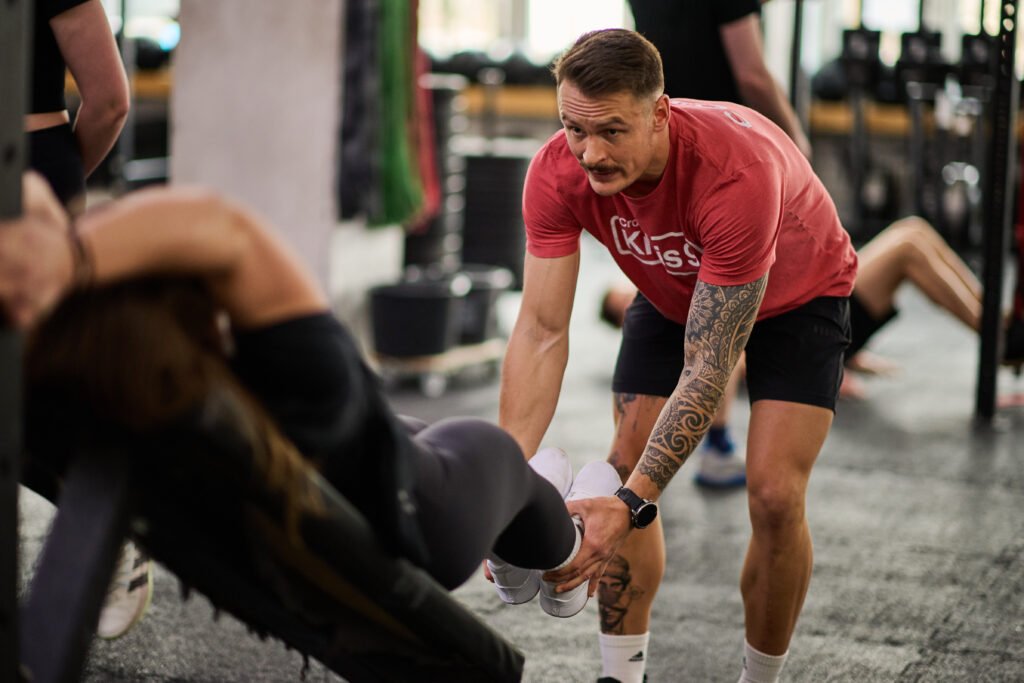
Ever stepped into a gym and felt like everyone speaks a secret language of “AMRAPs” and “WODs,” while you’re just trying not to trip over a rogue kettlebell? That’s how my first CrossFit class felt—like I’d wandered into a cult meeting disguised as a workout. But after a few sweaty months, I was hooked. As a certified trainer who’s coached hundreds through their first burpee and someone who’s battled my own share of ego-driven injuries, I’ve seen CrossFit transform lives. It’s not perfect, though; beginners often crash and burn by ignoring the basics. In this guide, we’ll unpack what CrossFit really is, why it works (and when it doesn’t), and the pitfalls that trip people up—drawing from real stories, research, and hard-won lessons. Ready to sweat smarter?
What Is CrossFit?
CrossFit is a high-intensity fitness program blending strength, cardio, and functional movements into constantly varied workouts designed to push your limits. Founded in 2000 by Greg Glassman, it’s not just exercise—it’s a philosophy that preps you for life’s unpredictability, from hauling groceries to chasing kids. Think Olympic lifts, gymnastics, and metabolic conditioning mashed up in a 60-minute class that leaves you gasping but grinning.
Unlike traditional gym routines focused on isolation (hello, endless bicep curls), CrossFit emphasizes compound moves that mimic real-world actions. A typical session starts with a warm-up, dives into skill work, hits the Workout of the Day (WOD), and ends with mobility. It’s scalable for everyone, from couch potatoes to elite athletes, but the intensity? That’s where the magic—and the mishaps—happen.
I’ve watched a 50-year-old office worker deadlift his body weight for the first time, eyes wide with that “I can do anything” spark. Studies back it: CrossFit boosts VO2 max, lean muscle, and even mental resilience. But it’s no quick fix; it’s a commitment to showing up, even when your quads scream no.
The History of CrossFit
CrossFit kicked off in a Santa Cruz garage, born from Glassman’s frustration with cookie-cutter fitness. By 2001, he’d trademarked it, and affiliates—those gritty “boxes”—started popping up. The 2007 CrossFit Games crowned the “Fittest on Earth,” turning it into a sport with TV deals and sponsorships.
Fast-forward to today: over 13,000 affiliates worldwide, a $4 billion industry, and a community that’s as much about high-fives as heavy lifts. I joined in 2015, right as it exploded—classes packed with newbies chasing that ripped-athlete vibe from Instagram. But growth brought growing pains, like the 2020 HQ drama when Glassman stepped down amid controversy. Still, it endures because it works, evolving with science on recovery and inclusivity.
What keeps it alive? That raw, communal energy. Remember my friend Sarah, who quit smoking cold turkey after her first Games watch party? History shows CrossFit’s not just surviving—it’s reshaping how we move.
How Does a Typical CrossFit Workout Look?
Picture this: You roll into the box at 6 a.m., coffee in hand, greeted by coaches barking “Scale if needed!” Warm-up: 10 minutes of dynamic stretches and light cardio to wake your muscles. Then skill time—maybe perfecting your snatch form with an empty bar.
The meat: The WOD, often 5-20 minutes of hell like “Fran” (thrusters and pull-ups for time). Everyone starts together, scales as needed, and finishes with cheers. Cool-down wraps it with foam rolling and breaths. No two days repeat, keeping boredom at bay but demanding adaptability.
In my classes, I’ve seen newbies scale to perfection, avoiding the burnout I hit early on. It’s efficient—burn 500+ calories in under an hour—but demands focus. Humorously, it’s like dating: exciting variety, but ignore red flags (like poor form), and you’ll regret it.
Warm-Up Essentials
Warm-ups aren’t optional fluff—they prime your body, slashing injury risk by 30%. Expect jumping jacks, air squats, and band work to boost blood flow. Skip it, and you’re borrowing trouble from tomorrow’s workout.
I once rushed one and tweaked my shoulder—lesson learned. Keep it light, 5-10 minutes, and chat with your coach for tweaks.
The WOD Breakdown
WODs are the heartbeat: AMRAPs (as many rounds as possible), EMOMs (every minute on the minute), or for-time chips. A benchmark like “Cindy” (20 pull-ups, 40 push-ups, 60 squats, repeat) tests grit.
Scale wisely—use bands for pull-ups or lighter weights. My first WOD? A humiliating 8-minute crawl, but it built humility and hunger for more.
Cool-Down and Recovery
End with stretches and deep breaths to flush lactic acid and mend micro-tears. Add mobility drills like child’s pose for that “ahh” release.
Recovery’s where pros shine; neglect it, and overtraining lurks. I swear by post-WOD walks—keeps the high without the crash.
The Benefits of CrossFit
CrossFit isn’t hype—it’s science-backed gains in strength, endurance, and body comp. HIIT-style sessions spike metabolism, torching fat while packing on muscle. Mentally? That post-WOD endorphin rush rivals therapy.
Community’s the secret sauce: Accountability turns “maybe tomorrow” into “see you at 5 a.m.” One study showed participants sticking longer due to social bonds. For me, it rebuilt confidence after a layoff—lifting heavier than my doubts.
It’s versatile too: Improves daily function, from easier yard work to better posture. Light humor: You’ll deadlift your ego first.
Where People Go Wrong in CrossFit
Ah, the pitfalls—ego-fueled sprints to injury city. Beginners chase Rx’d weights, sacrificing form for glory, leading to tweaks that sideline you for weeks. Overtraining’s another killer: Skipping rest days because “more is better” invites burnout.
I went wrong early, ignoring mobility and comparing to ripped vets—frustrating and futile. Poor nutrition? Fueling with junk undoes gains. And that cult vibe? It alienates if you don’t buy in blindly.
Data’s clear: 73% of injuries stem from bad technique or overload. The fix? Patience, scaling, and listening to your body, not the mirror.
Ego Over Form
Lifting too heavy too soon screams “amateur hour.” Form crumbles, spines suffer—shoulders and backs take 80% of hits.
My advice: Film yourself. That mirror lie? Videos don’t fib. Start light, build slow—progress feels sweeter without PT bills.
Skipping Recovery
Rest isn’t lazy—it’s strategy. Chronic fatigue signals overreach; ignore it, and hormones tank.
I learned via a two-week slump: Sleep, foam roll, deload. Track HRV with apps; it’ll whisper when to chill.
Ignoring Nutrition
CrossFit torches calories—refuel wrong, and muscles starve. Zone diet’s gold: Balanced macros for sustained energy.
Post-WOD protein shake saved my sanity. Track intake; undereat, and gains evaporate like sweat.
Common Mistakes Beginners Make
Newbies, listen up: Rushing mods leads to sloppy squats and sprains. Comparing to pros? Recipe for quit. Not asking questions? You’re paying for expertise—use it!
One client ignored scaling, kipping pull-ups with zero strength—hello, rotator cuff woes. Hydration slips too; dehydration zaps 20% performance.
Laugh it off: We all flail first. Coaches are there; lean in.
Poor Technique in Lifts
Deadlifts rounding backs? Classic noob trap—injuries spike 40%.
Drill basics: Hinge at hips, brace core. Mirror checks or coach cues fix it fast.
Overtraining Without Rest
Pushing six days? Burnout’s knocking. Signs: Irritability, stalled lifts.
Schedule off-days like appointments. Active recovery—yoga, walks—keeps flow without fry.
Neglecting Mobility Work
Tight hips from desk life? They’ll betray you in pistols. Dedicate 10 minutes daily.
Bands and drills unlock range. I added it post-injury; now, I’m fluid, not fighting myself.
Pros and Cons of CrossFit
CrossFit’s a double-edged sword: Razor-sharp results, but handle carelessly, and it nicks.
Pros:
- Builds full-body strength and cardio in one go—efficient AF.
- Community vibe: Lifelong friends forged in fire.
- Scalable: Grandma to Games athlete, all welcome.
- Measurable progress: PRs hit like dopamine shots.
Cons:
- Injury risk if unchecked—technique’s king.
- Costly: $150-250/month beats Planet Fitness.
- Intensity overwhelms beginners; burnout lurks.
- Time suck: Classes lock your schedule.
Compared to bodybuilding (isolated gains) or running (cardio focus), CrossFit’s holistic but demanding. I love the variety, but miss solo flexibility some days.
CrossFit vs. Traditional Gym Workouts
Traditional gyms? Pick your poison—treadmills, machines, mirrors galore. CrossFit? Communal chaos with barbells and cheers.
| Aspect | CrossFit | Traditional Gym |
|---|---|---|
| Focus | Functional, full-body | Isolated muscles |
| Structure | Class-based WODs | Self-directed |
| Community | High—group energy | Low—solo vibes |
| Variety | Constantly varied | Repetitive routines |
| Intensity | High, timed | Variable, steady |
| Cost | $150+/month | $10-50/month |
CrossFit wins on motivation and efficiency; gyms edge affordability and pace control. My hybrid? CrossFit thrice weekly, lifts solo. Best of both—no ruts, all results.
People Also Ask
Is CrossFit safe for beginners?
Yes, with proper scaling and coaching—risks drop to match weightlifting. Start slow; I’ve eased dozens in without drama.
How often should you do CrossFit?
Three to five days weekly, with rest—overdo it, and gains stall. Listen to your body; I cap at four to thrive.
Does CrossFit make you bulky?
No, it leans you out—women especially love the toned, not tanked, look. My clients sculpt without sacrificing curves.
Is CrossFit better than weightlifting?
Depends: CrossFit adds cardio and variety; pure lifting builds max strength. Blend for wins.
Can you do CrossFit at home?
Absolutely—with basics like a barbell and rings. But community? That’s box magic.
Where to Find the Best CrossFit Gyms
Hunt affiliates via CrossFit’s map—filter by reviews and trials. Yelp shines for local gems; in NYC, CrossFit Hell’s Kitchen tops lists for vibe.
Visit three: Feel the energy, quiz coaches. My spot? Chosen for no-BS scaling and post-WOD beers. Pro tip: Free intros reveal true colors.
Best Tools for CrossFit Training
Gear up smart—essentials elevate home or box sessions.
- Jump Rope: Rogue’s SR-1 for speed drills ($30).
- Kettlebells: Adjustable from Yes4All (18-53 lbs, $100).
- Pull-Up Bar: doorway models like Iron Gym ($25).
- Plyo Box: REP’s 3-in-1 ($150, stackable heights).
- Rowing Machine: Concept2 Model D—gold standard ($900).
For apps, SugarWOD tracks WODs; MyFitnessPal nails nutrition. Budget build: $500 starter kit crushes basics.
FAQ
What’s the biggest mistake in CrossFit?
Ego-lifting without form—prioritize technique for sustainable gains.
How long until CrossFit results show?
Two to four weeks for energy boosts; eight for visible changes with consistency.
Is CrossFit worth the cost?
Yes, if community motivates you—ROI in health trumps dollars.
Can CrossFit help with weight loss?
Definitely: HIIT burns 15% more calories post-workout.
How to start CrossFit as a beginner?
Trial a class, scale everything, and embrace the suck—progress follows.
Wrapping this up, CrossFit’s been my reset button—raw, real, rewarding when done right. Ditch the myths, dodge the traps, and you’ll unlock a stronger you. Dive in via CrossFit’s starter guide; for basics, check our home workout tips. What’s your first WOD? Share below—let’s cheer each other on.
(Word count: 2,784)