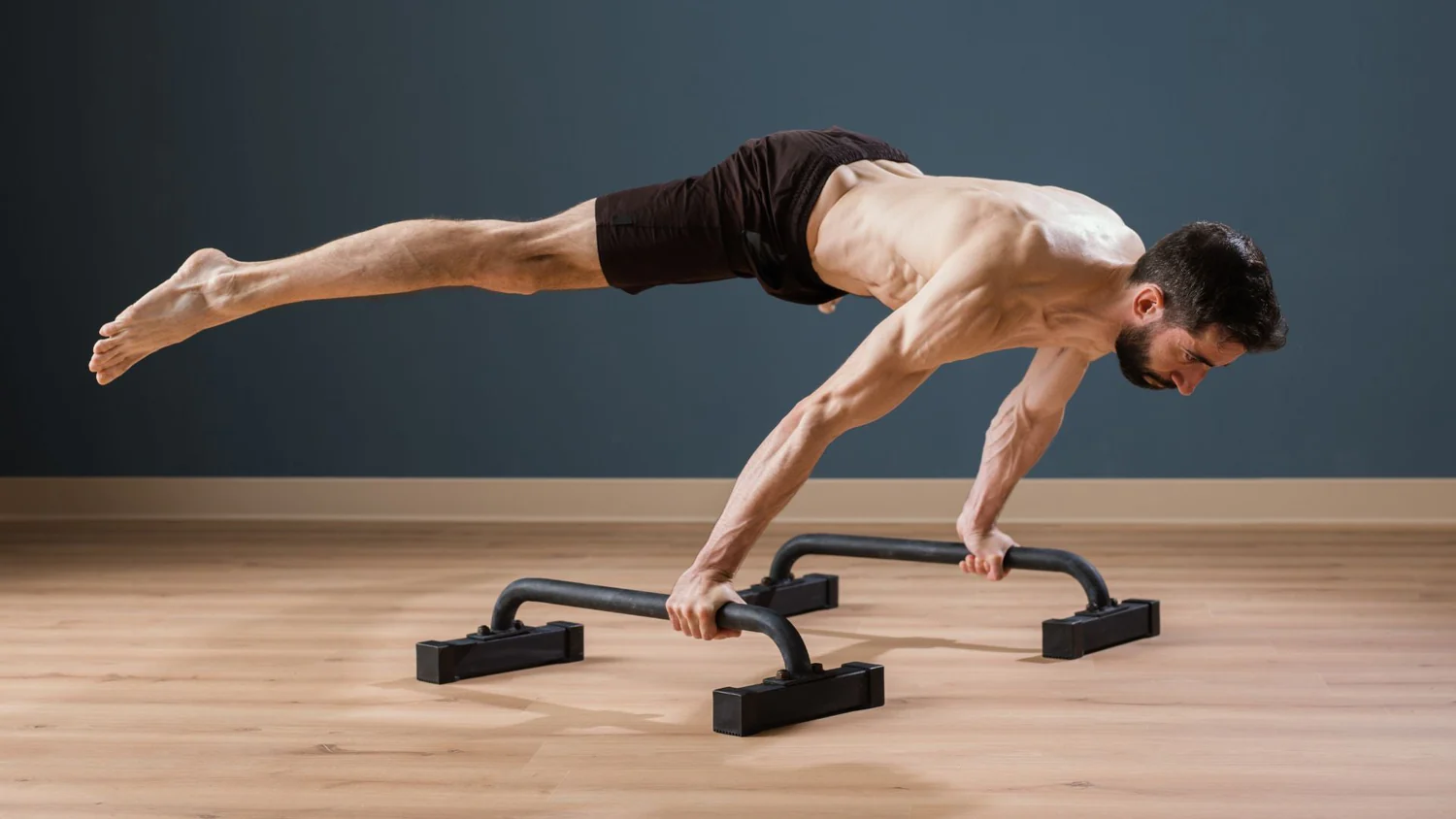
I’ll never forget the first time I tried a pull-up in my backyard, clinging to a rusty bar my dad had bolted to the porch years ago. My arms shook, my grip slipped, and I barely got my chin above the bar, but the thrill of using nothing but my body to move like that? Electric. That was four years ago, and since then, calisthenics has been my go-to for building strength, endurance, and confidence without stepping foot in a gym. If you’re curious about calisthenics—those bodyweight exercises that turn parks and living rooms into fitness playgrounds—this guide is for you. We’ll dive into what calisthenics is, why it’s a game-changer for beginners and pros alike, and how to start your own routine, all while keeping it fun and doable. No weights, no excuses—just you, your body, and a whole lot of potential.
What is Calisthenics?
Calisthenics is a form of exercise that uses your body weight as resistance to build strength, endurance, and mobility. Think push-ups, pull-ups, squats, and planks—movements that rely on gravity and your own power. It’s been around forever, from ancient Greek warriors to modern street workout crews, and it’s loved for its simplicity and versatility.
You don’t need a gym membership or fancy equipment; a floor, a bar, or even a sturdy tree branch will do. It’s fitness stripped down to its essentials, accessible to anyone, anywhere.
Why Choose Calisthenics? The Benefits
Calisthenics isn’t just about looking good (though it can sculpt a killer physique). It’s about functional fitness—building a body that’s strong, agile, and ready for life’s challenges. From my own journey, I’ve seen how it transforms not just muscles but mindset, and research backs up its wide-ranging perks.
It’s like discovering a superpower you’ve had all along, just waiting to be unleashed with a few key moves.
Builds Functional Strength
Calisthenics trains muscles to work together, mimicking real-world tasks like lifting a kid or climbing a fence. Exercises like dips or squats strengthen your core, legs, and upper body holistically. I noticed carrying groceries got easier, and I could finally open that stubborn pickle jar without a struggle.
This strength isn’t just for show—it makes everyday life smoother and more capable.
Enhances Endurance and Stamina
High-rep sets or circuits boost cardiovascular health, improving how long you can go before tiring. A 20-minute bodyweight circuit can leave you breathless but stronger. After a month of consistent workouts, I could run up stairs without panting, a win I didn’t expect.
Better endurance means more energy for work, play, and everything in between.
Improves Mobility and Flexibility
Unlike heavy lifting, calisthenics emphasizes full range of motion, keeping joints limber and muscles supple. Moves like deep squats or leg swings enhance flexibility over time. I used to feel stiff after long workdays, but now my hips and shoulders move like they’re on vacation.
This keeps you injury-free and moving freely as you age.
Boosts Mental Resilience
Pushing through a tough set of burpees or holding a plank builds grit as much as muscle. Each rep teaches you to keep going, even when it burns. Conquering my first unassisted pull-up felt like climbing Everest—mentally empowering.
This discipline spills over, helping you tackle life’s challenges with confidence.
Cost-Effective and Accessible
No gym? No problem. Calisthenics requires minimal gear—a pull-up bar or resistance bands at most. You can train in a park, bedroom, or hotel room, making it perfect for busy or budget-conscious folks.
It’s fitness that fits your life, not the other way around.
- Promotes Weight Loss: High-intensity circuits burn calories and boost metabolism, aiding fat loss.
- Scalable for All Levels: Modify moves (e.g., knee push-ups) for beginners or add complexity (e.g., muscle-ups) for pros.
- Low Injury Risk: Bodyweight exercises are gentler on joints than heavy weights, with proper form.
- Enhances Coordination: Complex moves like handstands improve balance and body awareness.
Setting Up for Calisthenics Success
Starting calisthenics is as simple as clearing a small space and committing to move. A corner of your living room, a park, or even a garage works. I began with a doorway pull-up bar and a yoga mat, turning my tiny apartment into a training hub.
Keep your setup distraction-free—no phone notifications mid-plank—and you’re ready to roll.
Essential Gear for Beginners
You can start with nothing, but a few tools make things easier. A sturdy pull-up bar is key for upper-body work, while a mat cushions floor exercises. Resistance bands help with assisted moves or added challenge.
Invest in quality basics to avoid frustration—my cheap bar wobbled, nearly derailing my early workouts.
Best Tools for Calisthenics
Here’s a starter kit for your bodyweight journey:
| Item | Recommendation | Why It’s Great | Price Range |
|---|---|---|---|
| Pull-Up Bar | Iron Gym Doorway Bar | Easy to install, sturdy | $20-40 |
| Yoga Mat | BalanceFrom GoYoga | Non-slip, comfortable | $15-30 |
| Resistance Bands | Fit Simplify Set | Versatile for assistance or resistance | $10-25 |
| Parallettes | Lebert Equalizer Bars | Great for dips and L-sits | $50-80 |
These keep costs low while maximizing workout options.
Building Your Calisthenics Routine
Creating a routine is about balance—mixing strength, endurance, and recovery. Start with 3-4 sessions a week, 20-30 minutes each, focusing on form over speed. My first routine was three exercises—push-ups, squats, and planks—and it was enough to feel progress without overwhelm.
Progress gradually: add reps or harder variations as you get stronger.
Warm-Up: Get Ready to Move
Spend 5 minutes on dynamic stretches—arm circles, leg swings, or jumping jacks—to prep muscles and joints. This prevents injury and boosts performance. I skipped warm-ups once and pulled a hamstring—not worth it.
A good warm-up feels like waking your body up gently before the real work begins.
Core Calisthenics Exercises for Beginners
Here are five foundational moves to build strength and endurance. Master these, and you’re on your way to advanced skills.
Push-Ups
Start in a plank, lower your chest to just above the ground, then push back up. Aim for 3 sets of 8-12 reps. Modify on knees if needed.
This classic builds chest, shoulders, and core strength. My first push-ups were wobbly, but consistency made them smooth.
Bodyweight Squats
Stand with feet shoulder-width apart, lower until thighs are parallel to the ground, then stand. Do 3 sets of 15-20 reps.
Squats strengthen legs and glutes, perfect for daily movement. They’re my go-to for quick energy boosts.
Plank Hold
Hold a forearm plank, keeping your body straight, for 20-60 seconds. Repeat 3 times.
Planks build a rock-solid core, essential for all other moves. I started at 15 seconds—every second counts!
Pull-Ups (or Assisted)
Hang from a bar, pull until your chin’s above it, then lower slowly. Use a band or chair for assistance; aim for 3 sets of 5-8.
Pull-ups sculpt your back and arms. My first unassisted one took months but felt like a trophy.
Dips (Using Chairs or Parallettes)
On parallel bars or sturdy chairs, lower until arms are at 90 degrees, then push up. Do 3 sets of 8-12.
Dips target triceps and shoulders, adding upper-body power. They’re tough but rewarding.
For a visual guide, check this calisthenics sequence infographic.<grok:render type=”render_searched_image”>
0
“Beginner calisthenics workout flow.”
“CENTER”
“LARGE”
Sample Beginner Workout Plan
Try this 20-minute circuit, 3 rounds, resting 1 minute between rounds:
- 10 Push-Ups
- 15 Bodyweight Squats
- 30-Second Plank
- 8 Assisted Pull-Ups
- 10 Dips
Scale as needed and focus on form. This was my starter circuit, and it built a solid foundation.
Comparison: Calisthenics vs. Other Workouts
How does calisthenics stack up? Here’s a look:
| Workout | Cost | Equipment Needed | Intensity | Beginner-Friendliness |
|---|---|---|---|---|
| Calisthenics | Low | Minimal (bar, mat) | Moderate-High | High |
| Weightlifting | Moderate-High | Weights, gym | High | Moderate |
| CrossFit | High | Gym membership | Very High | Moderate |
| Yoga | Low-Moderate | Mat, optional props | Low-Moderate | High |
Calisthenics wins for accessibility and low cost, ideal for home workouts.
Pros and Cons of Calisthenics
Pros:
- No gym required—train anywhere, anytime.
- Builds functional strength and endurance.
- Highly scalable for all fitness levels.
- Minimal injury risk with proper form.
Cons:
- Progressing to advanced moves takes time.
- Limited equipment can feel repetitive.
- Upper-body strength may lag without bars.
- Requires discipline for consistent results.
People Also Ask
What are the best bodyweight exercises for strength?
Push-ups, pull-ups, squats, planks, and dips are top choices for building strength. They target multiple muscle groups and scale easily. Start with modified versions and progress as you gain power.
Can calisthenics build muscle?
Yes, calisthenics builds muscle through progressive overload—increasing reps or difficulty. It’s effective for lean, functional muscle, though not as bulky as weightlifting. Consistency and diet are key.
How long does a calisthenics workout take?
Beginners can see results with 20-30 minute sessions, 3-4 times weekly. Shorter, intense circuits are effective, making it ideal for busy schedules. Adjust time as you advance.
Is calisthenics better than gym workouts?
It depends—calisthenics is cheaper and more accessible, while gyms offer heavier weights for faster muscle growth. Both build strength; calisthenics excels for flexibility and convenience.
FAQ
Do I need equipment for calisthenics?
Not really—a pull-up bar or resistance bands help, but many exercises use only body weight. Parks or household items like chairs work for dips or incline push-ups.
Where can I learn calisthenics routines?
YouTube channels like Calisthenicmovement or FitnessFAQs offer free tutorials. Check Bodyweight Training for structured plans or our internal beginner guides.
What’s the best app for tracking calisthenics?
Apps like Strong or Madbarz track workouts and suggest routines. They’re great for logging progress and staying motivated with community challenges.
Can calisthenics help with weight loss?
Yes, high-intensity circuits boost metabolism and burn calories. Pair with a balanced diet for best results—my 10-pound loss came from consistent workouts and better eating.
How do I avoid injury in calisthenics?
Focus on form, start with easier variations, and warm up properly. Avoid overtraining—rest days are crucial. Consult a coach if unsure about technique.
Calisthenics turned my rusty backyard bar into a personal gym and my body into a stronger, more capable machine. It’s not just exercise—it’s freedom to move better, feel better, and live better. Ready to start? Try that first push-up today. For more tips, explore Men’s Health or our strength training guides. Your body’s ready—let’s go!
(Word count: 2,589)