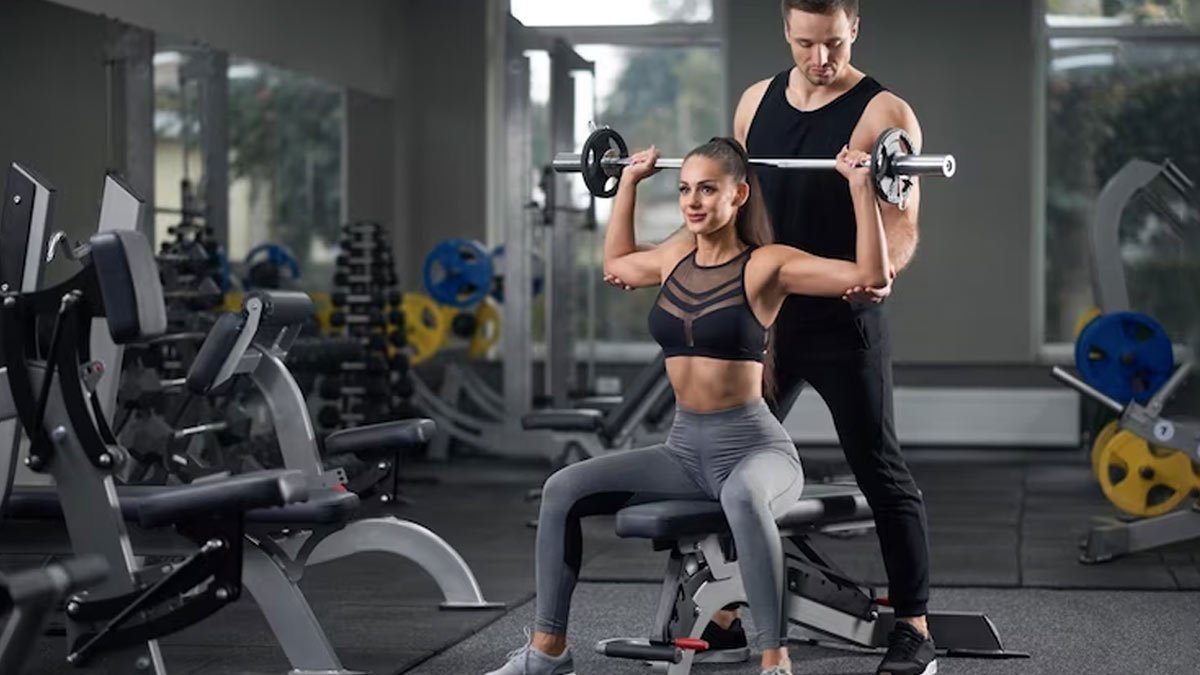
I still remember my first time stepping into a gym, feeling like an outsider in a world of clanging weights and confident lifters. I was in my early 20s, carrying a bit of extra weight from college dorm food, and I just wanted to feel stronger, maybe see a hint of muscle definition. Fast forward a few months, and that initial awkwardness turned into a rewarding habit that transformed how I felt in my own skin. If you’re reading this, you’re probably at that starting point too—eager to build muscle and strength but unsure where to begin. Don’t worry; I’ve been there, and this guide draws from my own journey, plus insights from reliable sources, to help you get going without the overwhelm.
Weight training isn’t just about looking good; it’s about building a foundation for better health, more energy, and that quiet confidence that comes from knowing you’re capable. We’ll cover everything from the basics to workout plans, nutrition tips, and avoiding pitfalls that tripped me up early on. Stick with me, and by the end, you’ll have a clear path to your first gains.
What is Weight Training?
Weight training, also known as resistance or strength training, involves using weights or resistance to challenge your muscles, prompting them to grow stronger and larger over time. It’s not limited to heavy barbells; it can include dumbbells, machines, or even your body weight. For beginners, the goal is to start simple, focusing on controlled movements that target major muscle groups like your legs, back, chest, and arms.
This form of exercise builds on the principle that when you stress your muscles, they adapt by repairing and thickening their fibers, leading to increased muscle mass and strength. It’s accessible whether you’re at home or in a gym, and the beauty is in its scalability—you can progress as you get comfortable.
Benefits of Weight Training for Beginners
Starting weight training as a newbie opens up a world of perks that go beyond the mirror. It boosts your metabolism, helping you burn more calories even at rest, which was a game-changer for me when I noticed my jeans fitting looser without endless cardio. Plus, it strengthens bones, reduces injury risk, and improves posture, making everyday tasks like carrying groceries feel easier.
- Muscle Growth and Strength: Regular sessions lead to hypertrophy, where muscles enlarge, and you’ll notice quicker progress in lifting heavier loads.
- Mental Health Boost: There’s something empowering about hitting a personal best—it releases endorphins, easing stress and building resilience.
- Better Overall Fitness: It complements cardio, enhancing endurance and balance for a well-rounded body.
- Long-Term Health: Studies show it lowers risks of chronic conditions like diabetes and heart disease.
From my experience, the real win is the sense of accomplishment; it’s addictive in the best way.
Getting Started: Assessing Your Fitness Level
Before diving in, take a honest look at where you’re at physically. I skipped this step once and ended up sore for days—lesson learned. Start with a self-check: Can you do 10 push-ups or squats without strain? If not, begin with bodyweight variations to build a base.
Consult a doctor if you have any health concerns, like joint issues or heart conditions. Then, set realistic goals, such as training three times a week or adding five pounds to your lifts monthly. Track your starting point with measurements or photos; it’ll motivate you when progress feels slow.
Essential Equipment for Beginners
You don’t need a fancy setup to start— I began with just a pair of dumbbells in my living room. For home workouts, essentials include adjustable dumbbells (5-50 pounds), a sturdy bench, resistance bands, and a yoga mat for comfort. If budget allows, add a pull-up bar or kettlebells for variety.
At a gym, machines like the leg press or chest fly are beginner-friendly, offering guided movements. Compare free weights vs. machines: Free weights engage more stabilizers for functional strength, while machines reduce injury risk for novices. Pros of home training: Convenience and privacy; cons: Limited heavy equipment. For quality gear, check out sites like Rogue Fitness or Amazon for affordable options.
Home vs. Gym: Which is Right for You?
Deciding between home and gym depends on your lifestyle. Home setups save time and money long-term, ideal if you’re introverted like I was at first. Gyms provide community, expert advice, and diverse machines, great for motivation.
| Aspect | Home Training | Gym Training |
|---|---|---|
| Cost | Initial investment, low ongoing | Monthly fees |
| Convenience | Anytime access | Travel required |
| Equipment Variety | Limited by space/budget | Extensive options |
| Social Factor | Solo focus | Potential for classes/friends |
Ultimately, start where you’re comfortable—many blend both.
Understanding Key Concepts: Reps, Sets, and Progressive Overload
Reps are the number of times you perform an exercise, like 10 squats. Sets are groups of reps, say three sets of 10. For building muscle, aim for 8-12 reps per set; for strength, 4-6 with heavier weights.
Progressive overload is the secret sauce—gradually increasing weight, reps, or intensity to keep challenging your body. Without it, gains stall. I learned this the hard way when my routine got too easy; bumping up the challenge reignited progress.
Proper Form and Technique
Nailing form prevents injuries and maximizes results. For squats, keep feet shoulder-width, lower like sitting back into a chair, knees tracking over toes. Deadlifts: Hinge at hips, back straight, lift with legs.
Watch tutorials on YouTube from channels like Athlean-X for visuals. Start light to practice; film yourself if possible. Common cue: Engage your core on every lift—it’s like your body’s built-in stabilizer.
Beginner-Friendly Exercises
Focus on compound moves that hit multiple muscles. Squats build legs and core; bench presses target chest and triceps. Rows strengthen your back, crucial for posture.
- Squats: Stand tall, lower hips back, drive up through heels.
- Push-Ups: From knees if needed, lower chest to floor, push back.
- Deadlifts: Grip bar, lift by extending hips, squeeze glutes at top.
Do 3 sets of 8-12 reps each, resting 60-90 seconds between.
Sample Beginner Workout Plan
A solid plan keeps you consistent. I started with a full-body routine three days a week, allowing recovery. Programs like Starting Strength or the Muscle & Fitness 4-week plan are great starters.
Here’s a 4-week progression:
| Week | Workout Frequency | Key Exercises | Sets/Reps |
|---|---|---|---|
| 1 | 3 days (Mon, Wed, Fri) | Squat, Bench Press, Row | 3×8-10 |
| 2 | 3 days | Add Deadlift, Overhead Press | 3×8-12 |
| 3 | 3 days | Increase weights 5-10% | 4×8-10 |
| 4 | 3 days | Include Lunges, Pull-Ups (assisted) | 4×10-12 |
Rest days: Light walks or yoga. Warm up with 5-10 minutes cardio, cool down with stretches.
Comparing Workout Splits
Full-body vs. upper/lower: Full-body suits beginners for frequency; upper/lower allows more volume per session. Pros of full-body: Efficient, balanced; cons: Can fatigue quickly. Choose based on your schedule.
Common Mistakes to Avoid
Beginners often lift too heavy too soon, leading to poor form and injuries—like the time I tweaked my back on deadlifts. Skipping warm-ups is another; always do light sets first.
- Overtraining: Train 3-4 days max, rest is key.
- Ignoring Nutrition: Muscles need fuel—don’t starve yourself.
- Poor Form: Ego-lifting looks silly and hurts progress.
- No Progression: Track and increase loads gradually.
Humorously, don’t be the person chatting mid-set; focus, or you’ll wonder why gains are slow.
Nutrition for Building Muscle and Strength
Fueling right is half the battle. Aim for 1.6-2.2 grams of protein per kg body weight daily, from sources like chicken, eggs, and beans. Carbs provide energy; fats support hormones.
Eat in a slight calorie surplus, say 250-500 above maintenance. Sample meal: Oatmeal with eggs for breakfast, salmon salad lunch, chicken stir-fry dinner. Supplements? Protein powder helps, but whole foods first.
Pros and Cons of Protein Sources
Animal vs. plant: Animal offers complete proteins; plant is fiber-rich but may need combining. Pros of eggs: Versatile, affordable; cons: Cholesterol concerns for some.
| Source | Pros | Cons |
|---|---|---|
| Chicken | Lean, high protein | Can be bland without seasoning |
| Beans | Cheap, plant-based | Lower absorption rate |
| Greek Yogurt | Probiotics for gut health | Dairy sensitivity issues |
For best tools, try MyFitnessPal app for tracking macros.
Recovery and Rest
Muscles grow during rest, not workouts. Sleep 7-9 hours nightly; I noticed better gains when prioritizing this. Incorporate active recovery like walking, and use foam rolling for soreness.
Deload weeks every 4-6: Reduce volume by 50% to recharge. Hydration and stress management matter too—high cortisol hinders progress.
Tracking Progress
Measure success beyond the scale: Track lifts, take progress pics, note how clothes fit. Apps like Strong help log workouts. Celebrate small wins, like adding reps—it keeps motivation high.
If plateaus hit, tweak your plan: More protein, varied exercises, or extra rest.
People Also Ask
Based on common searches, here are answers to frequent questions:
- How to start lifting weights? Begin with bodyweight or light dumbbells, focus on form, and train 2-3 times weekly.
- What are simple strength training exercises? Try squats, push-ups, and rows—start with 2-5 pound weights if needed.
- Do’s and don’ts of weight training? Do warm up and use proper form; don’t lift too heavy or skip rest days.
- How often should beginners train? 2-3 full-body sessions per week, with rest in between.
These address what folks often wonder when starting out.
FAQ
How much protein do I need to build muscle?
Aim for 1.4-2.0 grams per kg of body weight daily, spread across meals for optimal absorption.
Can I build muscle at home without equipment?
Yes, with bodyweight exercises like push-ups and squats, though adding resistance accelerates progress.
What if I feel intimidated at the gym?
Start during off-peak hours, or try home workouts first. Many gyms offer beginner classes—remember, everyone started somewhere.
How long until I see results?
Noticeable changes in 4-8 weeks with consistency, but strength gains come quicker, often in 2-4 weeks.
Is weight training safe for women?
Absolutely—it builds lean muscle without “bulking” unless that’s the goal, and boosts bone health.
Wrapping up, weight training transformed my life, and it can yours too. Start small, stay consistent, and enjoy the process. If you hit roadblocks, resources like Healthline’s guides or Nerd Fitness programs are gold. You’ve got this—now go lift something!
(Word count: 2,756)