I’ll never forget the night I first tried bedtime yoga. It was about five years ago, during a particularly stressful stretch at work where deadlines loomed like storm clouds and my mind raced like a hamster on a wheel long after I hit the pillow. Tossing and turning had become my unwelcome nightly ritual, and counting sheep? Forget it—they were probably more relaxed than I was. One evening, a friend casually mentioned how a simple stretch routine before bed had transformed her sleep, and skeptically, I gave it a go. Dim lights, soft mat on the floor, and just ten minutes of gentle poses later, I drifted off easier than ever. It wasn’t magic, but it felt close. That’s the beauty of bedtime yoga—it’s accessible, calming, and perfect for beginners like I was back then. If you’re new to this and wondering how to weave it into your routine for better rest, you’re in the right place. We’ll dive deep into what it is, why it works, and how to get started at home, all while keeping things straightforward and fun. Think of this as your gentle nudge toward sweeter dreams, without any pretzel-like contortions required.
Bedtime yoga isn’t about intense workouts or fancy studios; it’s a mindful wind-down that signals your body it’s time to shift from day mode to rest mode. Drawing from ancient practices but tailored for modern life, it combines slow stretches, deep breathing, and relaxation techniques to ease tension built up from daily hustle. For beginners, it’s an ideal entry point into yoga because it’s low-pressure—you can do it in pajamas, right in your bedroom, and it only takes 10-20 minutes. Over time, it becomes a cherished ritual, much like brushing your teeth, but way more soothing.
As someone who’s stuck with it through busy seasons and lazy ones, I can attest to its real-world perks. It’s not just hype; studies and countless personal stories back up how this practice can overhaul your sleep game. Let’s break it down so you can see why it’s worth rolling out that mat tonight.
What is Bedtime Yoga?
Bedtime yoga is essentially a series of restorative poses and breaths designed to prepare your body and mind for sleep, focusing on relaxation rather than exertion. It’s rooted in yin yoga principles, where holds are longer and gentler to target deep tissues and calm the nervous system. Beginners love it because there’s no need for flexibility or experience—just a willingness to slow down.
This practice differs from daytime yoga by emphasizing surrender over strength, helping release the day’s stresses. Imagine it as a bridge between your active evening and peaceful slumber, guiding you gently across.
Benefits of Bedtime Yoga
Incorporating bedtime yoga into your routine can feel like hitting the reset button on your sleep cycle, offering layers of advantages that go beyond just nodding off faster. From my own journey, it turned fragmented nights into solid rest, and research echoes that sentiment. It’s a natural, drug-free way to enhance overall well-being, making it a staple for anyone chasing quality Z’s.
Improves Sleep Quality
One of the standout perks is how it boosts the depth and duration of your sleep, leaving you refreshed come morning. Gentle poses encourage the parasympathetic nervous system to kick in, which dials down adrenaline and promotes restoration. I noticed after a week of consistent practice, my mornings felt less groggy—like I’d actually recharged overnight.
Reduces Stress and Anxiety
Bedtime yoga acts as a mental declutter, melting away worries that often keep us staring at the ceiling. Through focused breathing, it lowers cortisol levels, that pesky stress hormone, creating a sense of calm. Picture this: instead of replaying your to-do list, you’re breathing deeply, and suddenly, those thoughts fade like distant echoes.
Eases Physical Tension
Daily life leaves knots in our muscles, but these poses gently unravel them, improving flexibility without strain. Targeting areas like the hips and back, it releases built-up tightness from sitting or standing all day. For me, it was a game-changer for lower back aches that used to flare up at night.
Supports Weight Management
While not a calorie-burner, it indirectly aids weight control by curbing emotional eating tied to poor sleep. Better rest balances hormones like ghrelin and leptin, which regulate hunger. It’s a subtle benefit, but one that adds up over time for holistic health.
Enhances Mindfulness
This practice fosters a deeper connection to the present moment, which spills over into better emotional resilience. Ending your day mindfully can improve mood and focus the next day. It’s like giving your brain a mini-vacation before the real one begins.
- Alleviates Insomnia Symptoms: Regular sessions can shorten the time it takes to fall asleep, as noted in various wellness studies.
- Boosts Immune Function: Quality sleep from yoga strengthens your body’s defenses against illness.
- Improves Breathing Patterns: Deeper breaths oxygenate the body, aiding relaxation and recovery.
- Promotes Emotional Balance: It helps process the day’s emotions, reducing nighttime rumination.
Setting Up Your Space for Bedtime Yoga
Creating a dedicated spot at home makes starting bedtime yoga feel inviting rather than a chore. Clear a small area near your bed, dim the lights, and maybe add a candle or essential oil diffuser for ambiance. Keep it simple—consistency comes from ease, not perfection.
Your space should feel like a sanctuary, free from distractions like phones or clutter. This setup signals to your brain that it’s unwind time, enhancing the ritual’s effectiveness.
Essential Gear for Beginners
You don’t need much to begin, but a few basics can elevate your experience. Start with a non-slip yoga mat for comfort and grip during poses. Blocks or pillows help modify stretches if flexibility is limited.
For those shopping, consider eco-friendly mats from brands like Manduka or budget options on Amazon. A cozy blanket for final relaxation adds that extra touch of comfort.
Best Tools for Bedtime Yoga
Here’s a quick guide to getting equipped:
| Item | Recommendation | Why It’s Great | Price Range |
|---|---|---|---|
| Yoga Mat | Jade Harmony Mat | Excellent grip, eco-friendly | $60-80 |
| Yoga Blocks | Cork Blocks (set of 2) | Support for beginners, stable | $20-30 |
| Bolster Pillow | Hugger Mugger Bolster | Ideal for restorative poses | $40-60 |
| Eye Pillow | Lavender-filled | Enhances relaxation in Savasana | $10-20 |
These tools make poses accessible, especially if you’re new and need support.
Pros and Cons of Starting with Basic Gear
Pros:
- Affordable entry point—no gym fees required.
- Customizable to your comfort level.
- Portable for travel or small spaces.
Cons:
- Initial investment, though minimal.
- Learning curve for using props correctly.
- Space constraints in tiny apartments.
How to Start Your Bedtime Yoga Routine
Beginning is as simple as committing to 10 minutes nightly—consistency trumps perfection. Warm up with a few deep breaths, then flow through poses at your pace. Listen to your body; if something feels off, ease up.
Build gradually: Week one, focus on breathing; week two, add poses. Soon, it’ll feel natural, like part of your evening wind-down.
Breathing Techniques to Begin With
Start with 4-7-8 breathing: Inhale for 4 counts, hold for 7, exhale for 8. This calms the mind instantly. It’s my go-to when thoughts swirl.
Pair it with alternate nostril breathing for balance. These set the tone for deeper relaxation.
Child’s Pose (Balasana)
Kneel on the floor, fold forward with arms extended, forehead to mat. Hold for 1-2 minutes, breathing deeply. It’s a humble surrender that releases back tension.
Perfect for beginners, it feels nurturing—like a hug from the inside out. Modify with a pillow under your head if needed.
Legs Up the Wall (Viparita Karani)
Lie on your back, legs extended up a wall, arms relaxed. Stay for 3-5 minutes. This inverts gently, draining fatigue from legs.
It’s incredibly restorative, especially after a long day on your feet. I joke it’s like hitting ‘refresh’ on your circulation.
Happy Baby (Ananda Balasana)
On your back, grab your feet’s outer edges, knees wide. Rock side to side gently. Hold for 1 minute.
This playful pose opens hips and eases lower back strain. Who knew acting like a baby could lead to adult-level calm?
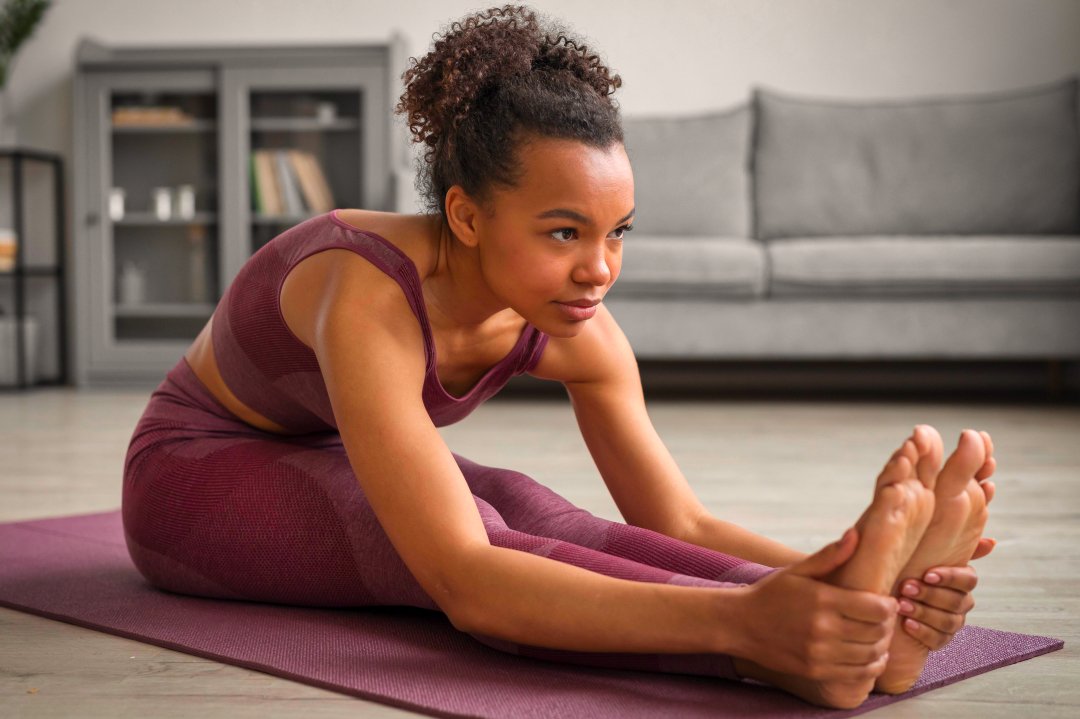
Seated Forward Bend (Paschimottanasana)
Sit with legs extended, fold forward from hips. Reach for feet or shins. Breathe into the stretch for 1-2 minutes.
It quiets the mind while stretching hamstrings. Start slow—flexibility comes with time.
Corpse Pose (Savasana)
Lie flat, arms at sides, eyes closed. Focus on breath for 5 minutes. This seals the practice, integrating benefits.
It’s the ultimate letting go—where magic happens. Resist the urge to fidget; embrace stillness.
For a visual guide to these poses, check out this infographic sequence.
Comparison: Bedtime Yoga vs. Other Sleep Aids
Wondering how bedtime yoga stacks up against pills or apps? Here’s a breakdown:
| Method | Effectiveness | Cost | Side Effects | Ease for Beginners |
|---|---|---|---|---|
| Bedtime Yoga | High (natural relaxation) | Low (free after basics) | None | Very easy |
| Sleep Supplements (e.g., Melatonin) | Moderate | Medium | Possible dependency | Easy, but consult doc |
| Meditation Apps | High for mind | Low (subscriptions) | None | Easy |
| White Noise Machines | Moderate | Medium | None | Very easy |
Yoga wins for its holistic approach, combining physical and mental benefits without reliance on externals.
Pros and Cons of Bedtime Yoga for Beginners
Pros:
- Builds flexibility and strength subtly over time.
- Free or low-cost once started.
- Improves overall mood and energy levels.
- Adaptable to any fitness level.
Cons:
- Requires discipline to make it habitual.
- May feel awkward at first if uncoordinated.
- Not a quick fix for severe insomnia—pair with professional advice.
People Also Ask
Is It Good to Do Yoga Before Bed?
Absolutely— it’s one of the best times, as it transitions you into rest mode. It reduces stress hormones and prepares the body for deep sleep. Just keep it gentle to avoid energizing yourself.
What Yoga Poses Help You Sleep?
Poses like Child’s Pose, Legs Up the Wall, and Happy Baby are top picks for unwinding. They release tension in key areas, promoting relaxation.
How Long Should Bedtime Yoga Last?
Aim for 10-20 minutes; even short sessions yield benefits. Longer if you’re enjoying it, but don’t force it.
Can Yoga Cure Insomnia?
It can significantly alleviate symptoms by improving sleep hygiene, though it’s not a cure-all. Combine with lifestyle tweaks for best results.
FAQ
How often should beginners practice bedtime yoga?
Start with 3-4 nights a week to build the habit without overwhelm. As it feels good, increase to daily for maximum benefits.
Do I need to be flexible to start?
Not at all—bedtime yoga meets you where you are. Use props to modify, and flexibility improves naturally over time.
Where can I find free bedtime yoga videos?
Platforms like YouTube offer excellent free sessions; search for “bedtime yoga for beginners” from channels like Yoga With Adriene. Or visit sites like Calm for guided routines.
What if I fall asleep during the practice?
That’s a win! It means it’s working. Just ensure you’re in a safe position, like on your mat.
Are there apps for tracking progress?
Yes, apps like Insight Timer or Down Dog track sessions and offer reminders. They’re great for staying motivated.
In wrapping up, bedtime yoga has been my secret weapon for restful nights, and it can be yours too. Give it a try tonight—your future well-rested self will thank you. For more on yoga basics, check out Yoga Journal or internal links to our beginner guides. Sweet dreams!
(Word count: 2,756)