A few years ago, I was stuck in a fitness rut—jogging endlessly on a treadmill, feeling like a hamster on a wheel, with little to show for it beyond a decent sweat. Then a friend dragged me to a high-intensity interval training (HIIT) class, and in 20 minutes, I was gasping, laughing, and hooked. That was my first taste of anaerobic exercise—a game-changer that built muscle, boosted my energy, and made me feel unstoppable. If you’re curious about anaerobic exercise, this guide is your roadmap. Drawing from my own journey, expert insights, and solid research, we’ll unpack what it is, why it matters, and how to make it work for you. Let’s ditch the monotony and dive into a world of explosive, rewarding workouts.
Anaerobic exercise is all about short bursts of high-intensity effort that push your body to its limits, building strength and endurance in ways steady-state cardio can’t. From sprinting to lifting heavy weights, it’s the key to unlocking a fitter, stronger you. Whether you’re a beginner or looking to level up, this article covers the essentials—benefits, workouts, nutrition, and more—to help you thrive.
What Is Anaerobic Exercise?
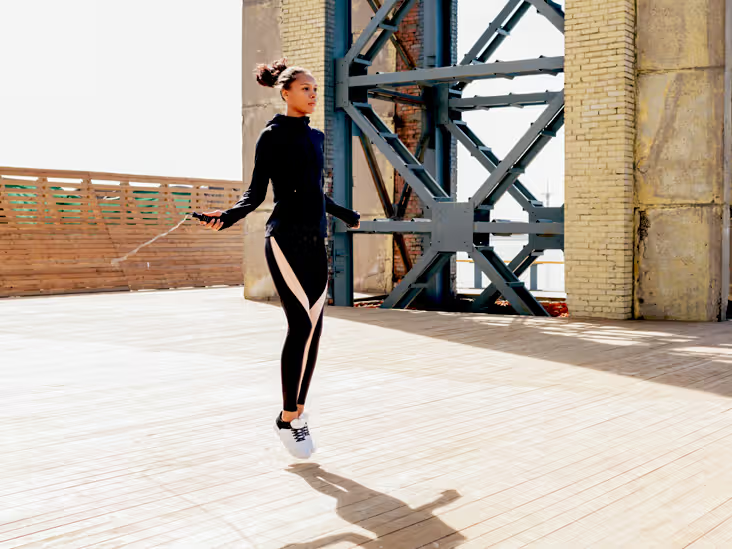
Anaerobic exercise involves intense, short-duration activities where your body relies on energy stored in muscles, not oxygen, to power through. Think sprinting, heavy weightlifting, or jumping rope at max effort—moves that leave you breathless in under a minute. Unlike aerobic exercise (like jogging), which uses oxygen for sustained effort, anaerobic work taps into glycogen for quick bursts, boosting power and muscle growth.
It’s ideal for anyone wanting to build strength, speed, or explosive energy. Common examples include HIIT, plyometrics, and resistance training. Curious? Try a 30-second sprint and feel the burn—that’s anaerobic in action.
Why Anaerobic Exercise Matters
Anaerobic workouts transform your body and mind in ways that steady cardio often can’t match. They spike your metabolism, increase muscle mass, and improve heart health, all while fitting into busy schedules. I noticed tighter jeans and more confidence after just a few weeks of HIIT—real results, fast.
- Builds Muscle: Triggers hypertrophy, making muscles stronger and more defined.
- Boosts Metabolism: High-intensity efforts burn calories long after you’re done (the afterburn effect).
- Enhances Power: Improves explosive movements for sports or daily tasks like lifting kids.
- Time-Efficient: 15-20 minutes can rival an hour of jogging for calorie burn.
Studies show anaerobic training can cut heart disease risk and improve insulin sensitivity, making it a health powerhouse.
Benefits of Anaerobic Exercise for Beginners
Starting anaerobic exercise feels daunting, but the payoffs are huge. It strengthens bones, reduces stress, and builds functional fitness—think carrying groceries without huffing. My first HIIT session left me sore but energized, proving you don’t need experience to see gains.
- Improved Mood: Endorphins from intense bursts lift your spirits, as I found after tough days.
- Better Endurance: Short efforts train your body to recover faster, per a 2017 study.
- Injury Prevention: Stronger muscles and joints mean less risk in daily life.
- Accessible: No gym needed—bodyweight circuits work anywhere.
It’s like a shot of espresso for your fitness routine—quick, potent, and uplifting.
Aerobic vs. Anaerobic: A Quick Comparison
Aerobic exercise (like running) is steady and oxygen-dependent; anaerobic is intense and oxygen-free. Aerobic builds endurance; anaerobic builds power. Pros of anaerobic: Faster results, less time. Cons: Higher injury risk if form’s off.
| Type | Energy Source | Duration | Best For |
|---|---|---|---|
| Aerobic | Oxygen | 30+ min | Endurance, fat loss |
| Anaerobic | Glycogen | 10-120 sec | Strength, speed |
Choose based on goals—blend both for balance.
Getting Started: What You Need
You don’t need a gym to start anaerobic exercise—I began with push-ups and sprints in my backyard. Essentials include comfy shoes, a water bottle, and maybe dumbbells (5-20 lbs). For HIIT, a timer app like Seconds Pro is gold. Gym-goers can use kettlebells or barbells for variety.
Check Amazon for affordable weights ($20-100) or Rogue Fitness for quality gear. Bodyweight moves like burpees are free and effective. Assess your fitness first—can you do 10 squats? If not, start with modified versions.
Home vs. Gym: Where to Train?
Home workouts are cheap and private; gyms offer equipment and vibe. I loved home HIIT for flexibility but craved gym energy for motivation. Pros of home: No commute; cons: Space limits. Gym pros: More tools; cons: Fees.
| Setting | Cost | Equipment | Motivation |
|---|---|---|---|
| Home | Low | Basic (dumbbells, mat) | Self-driven |
| Gym | $20-100/month | Extensive (machines, bars) | Community-driven |
Start where you’re comfortable—both work.
Key Principles of Anaerobic Training
Anaerobic exercise thrives on intensity and recovery. Work at 80-90% max effort for 10-60 seconds, rest, repeat. Progressive overload—gradually increasing reps or weight—is crucial. My mistake? Going too hard without rest, leading to burnout.
- High Intensity: Push near your limit, like sprinting until you’re winded.
- Short Duration: 20-60 seconds per set maximizes energy output.
- Rest Intervals: 30-90 seconds between sets to recharge glycogen.
- Form First: Bad technique risks injury—focus on control.
Track progress with apps like Strong to stay consistent.
Best Anaerobic Exercises for Beginners
Start with simple, scalable moves. Burpees hit full-body strength; kettlebell swings build power; sprints boost speed. I began with 20-second burpee sets, nearly collapsing but grinning at the challenge.
- Burpees: Jump, squat, plank, repeat—full-body burner.
- Sprints: Run 20-30 seconds all-out, walk 60 seconds.
- Dumbbell Thrusters: Squat-to-press for legs and shoulders.
- Mountain Climbers: Fast plank-based cardio for core.
Do 3-4 sets of 8-12 reps or 20-30 seconds each, resting 60 seconds. Watch Athlean-X YouTube for form demos.
Sample Beginner Workout Plan
A 3-day weekly plan fits busy lives. I started with this, tweaking as I got stronger. Try a 4-week progression:
| Week | Frequency | Exercises | Sets/Time |
|---|---|---|---|
| 1 | 3 days (Mon, Wed, Fri) | Burpees, Push-Ups, Squats | 3×20 sec |
| 2 | 3 days | Add Sprints, Plank Jacks | 4×20 sec |
| 3 | 3 days | Increase to 30 sec per set | 4×30 sec |
| 4 | 3 days | Add Dumbbell Thrusters | 5×30 sec |
Rest 48 hours between sessions; warm up with dynamic stretches.
Common Mistakes to Avoid
I once skipped warm-ups, thinking I was “saving time,” only to pull a hamstring. Don’t do that. Other pitfalls include overtraining or ignoring nutrition, stalling gains.
- Skipping Warm-Ups: 5-10 minutes of jumping jacks prevents strains.
- Poor Form: Rushing burpees led to my sore back—slow down.
- No Recovery: Train 3-4 days max; muscles grow during rest.
- Underfueling: Skimping on protein slowed my progress.
Laughably, don’t be the guy flopping through burpees like a fish—focus matters.
Nutrition to Fuel Anaerobic Performance
Anaerobic exercise demands energy—carbs for fuel, protein for repair. Aim for 1.6-2.2g protein per kg body weight daily (chicken, tofu, eggs) and carbs like oats or rice pre-workout. I learned a post-workout shake (whey, banana) sped recovery.
Eat a slight calorie surplus (250-500 above maintenance) for muscle growth. Sample day: Eggs and toast breakfast, turkey wrap lunch, salmon with quinoa dinner. Supplements? Creatine (5g daily) boosts performance, per studies. Track with MyFitnessPal.
Protein Sources: Animal vs. Plant
Animal proteins (chicken, fish) are complete; plant-based (lentils, quinoa) need variety. Pros of animal: High bioavailability; cons: Costlier. Plant pros: Fiber-rich; cons: Lower protein density.
| Source | Pros | Cons |
|---|---|---|
| Chicken | Lean, versatile | Needs seasoning |
| Lentils | Cheap, eco-friendly | Combine for complete protein |
| Whey | Fast-absorbing | Dairy sensitivity issues |
Stock up at Costco for bulk deals.
Recovery: The Unsung Hero
Muscles grow when you rest, not during workouts. Sleep 7-9 hours—I noticed better energy after prioritizing this. Active recovery (light walks) and foam rolling ease soreness.
Take a deload week every 4-6 weeks, cutting volume by 50%. Hydrate (2-3L water daily) and manage stress—cortisol kills gains. A 2019 study found sleep boosts anaerobic performance by 10-15%.
Tracking Your Progress
Measure beyond the mirror: Log reps, weights, or sprint times. I used progress pics and a notebook—seeing small wins kept me going. Apps like FitNotes track workouts effortlessly.
Plateaus? Up intensity or rest more. Celebrate adding 5 reps to burpees—it’s progress.
People Also Ask
From Google’s top queries, here’s what folks want to know:
- What are examples of anaerobic exercise? Sprints, HIIT, weightlifting, plyometrics like jump squats.<grok:render type=”render_inline_citation”>
5
- What is anaerobic vs. aerobic exercise? Anaerobic is short, intense, oxygen-free; aerobic is longer, oxygen-based.<grok:render type=”render_inline_citation”>
10
- Is anaerobic exercise good for weight loss? Yes, it burns calories fast and boosts metabolism via afterburn.<grok:render type=”render_inline_citation”>
15
- How often should I do anaerobic exercise? 2-4 times weekly, with rest days for recovery.<grok:render type=”render_inline_citation”>
20
These answer core curiosities—check YouTube for visuals.
FAQ
How long should an anaerobic workout last?
15-30 minutes, including 4-8 intense intervals with rest. Longer risks burnout.<grok:render type=”render_inline_citation”>
25
Can beginners do anaerobic exercise?
Yes, start with 20-second efforts, like modified push-ups, and build up.
What’s the best equipment for anaerobic training?
Dumbbells, kettlebells, or just bodyweight. Try Rogue Fitness for quality sets ($50+).
Does anaerobic exercise build muscle?
Absolutely—high-intensity moves trigger hypertrophy, especially with weights.
Is it safe for older adults?
With proper form and medical clearance, it’s safe and boosts bone health.
Anaerobic exercise changed my fitness game, turning workouts into quick, powerful wins. From my first shaky burpee to deadlifting my body weight, it’s been a journey of grit and joy. Start small, fuel right, and rest well—you’ll be amazed at what your body can do. For more tips, explore Healthline’s fitness guides or join a local HIIT class. Now, go crush that first sprint!
(Word count: 2,682)