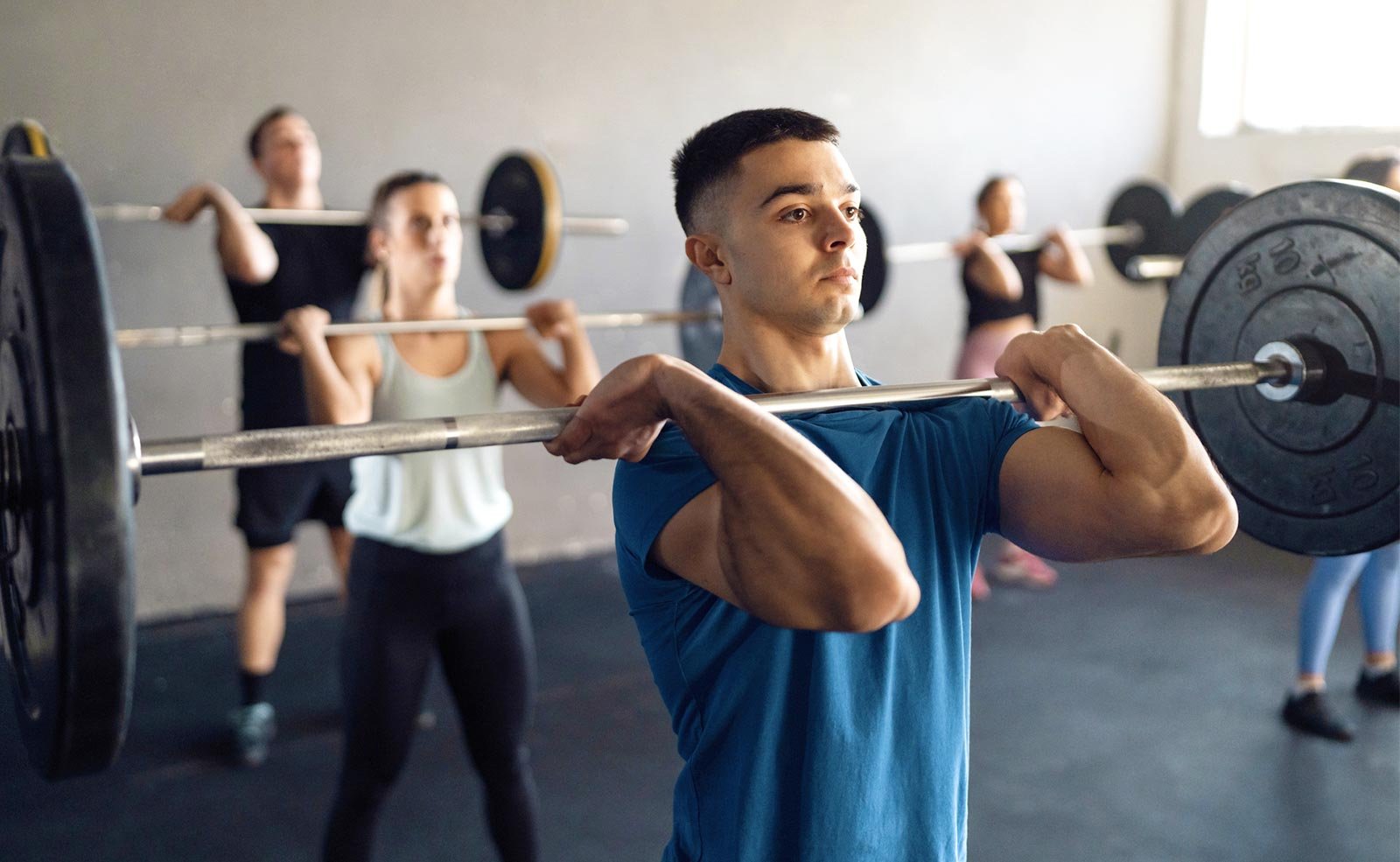
Hey there, fellas. Picture this: I was in my late 20s, stuck in a desk job that left me feeling sluggish and out of shape. One day, a buddy dragged me to the gym, and I picked up a barbell for the first time. It wasn’t pretty—my form was all over the place, and I could barely lift what the high school kids were warming up with. But fast forward a few months, and I started noticing changes. More energy during the day, clothes fitting better, even a boost in confidence that spilled over into my work life. That’s the magic of weightlifting. It’s not just about getting buff; it’s a game-changer for men’s health overall. In this deep dive, we’ll explore why every guy should consider adding some iron to his routine, backed by solid science and real-world insights. Whether you’re a newbie or a seasoned lifter, there’s something here to motivate you to hit the weights.
What is Weightlifting?
Weightlifting, at its core, involves using resistance—think dumbbells, barbells, or machines—to challenge your muscles and build strength. It’s different from bodybuilding, which focuses on aesthetics, or powerlifting, which is all about max lifts. For most men, it’s simply a way to push your body beyond everyday movements, sparking adaptations that lead to better health.
This practice dates back centuries, but modern weightlifting emphasizes progressive overload, where you gradually increase the weight or reps to keep improving. It’s accessible too—you can start at home with basic gear or join a local gym. The key is consistency, as benefits compound over time, turning what feels like a chore into a rewarding habit.
Physical Health Benefits for Men
Weightlifting isn’t just for show; it rewires your body from the inside out. Men often face unique health challenges like declining testosterone or heart issues as we age, and lifting directly tackles these. It’s like giving your physique an upgrade that pays off in energy, vitality, and longevity.
Building Muscle Mass and Strength
One of the most obvious perks is packing on muscle, which makes everyday tasks feel effortless—whether you’re hauling groceries or playing pickup basketball. As men, we naturally have more muscle potential, but without stimulation, it wastes away starting in our 30s. Weightlifting counters this by triggering hypertrophy, where muscle fibers grow thicker and stronger.
Studies show that consistent training can increase muscle mass by up to 10% in just a few months, even for beginners. I remember my first noticeable gains; suddenly, pushing a lawnmower didn’t leave me winded. It’s not vanity—it’s functional power that keeps you independent as you age.
Boosting Testosterone Levels
Ah, the big T—testosterone, the hormone that defines much of male vitality. Weightlifting spikes it naturally, especially with compound moves like squats and deadlifts that engage multiple muscle groups. Low T can lead to fatigue, mood dips, and even erectile issues, but lifting fights back.
Research from places like Harvard indicates that men who lift regularly see sustained testosterone boosts, improving everything from libido to bone density. In my experience, after a solid session, I feel that surge of energy that carries through the day. It’s like nature’s performance enhancer, no supplements needed.
Enhancing Cardiovascular Health
You might think cardio is king for heart health, but weightlifting holds its own. It lowers blood pressure, improves circulation, and reduces bad cholesterol levels. For men, who statistically face higher heart disease risks, this is crucial.
A Mayo Clinic review highlights how strength training strengthens the heart muscle itself, making it pump more efficiently. Pair it with some light cardio, and you’ve got a powerhouse combo. I’ve noticed my resting heart rate drop over the years, and that peace of mind? Priceless.
Improving Bone Density and Joint Health
As we hit middle age, bones can weaken, leading to osteoporosis—a risk even for guys. Weightlifting stresses bones in a good way, prompting them to rebuild denser and stronger. It also fortifies joints, reducing injury chances from slips or sports.
Evidence from Healthline backs this, showing lifting cuts fall risks by improving balance. Think of it as armor for your skeleton. One time, I tweaked my knee hiking, but thanks to consistent squats, recovery was quick—no lingering pain.
Aiding Weight Management and Fat Loss
Lifting torches calories during and after workouts, thanks to the afterburn effect where your metabolism stays revved. It targets stubborn belly fat, which plagues many men and links to diabetes and heart woes.
Studies confirm it decreases abdominal fat more effectively than cardio alone. Plus, more muscle means you burn more at rest—up to 100 extra calories daily. I shed 15 pounds without starving myself; it was the muscle gain that reshaped my body.
- Increased metabolism: Muscle tissue burns more calories than fat, even when you’re chilling on the couch.
- Better insulin sensitivity: Helps regulate blood sugar, warding off type 2 diabetes.
- Reduced inflammation: Lowers chronic markers that contribute to weight gain.
Mental and Emotional Advantages
Beyond the physical, weightlifting sharpens the mind. In a world where stress hits hard—work deadlines, family pressures—hitting the gym becomes a mental reset. It’s therapy with tangible results, building resilience one rep at a time.
Reducing Stress and Anxiety
Lifting releases endorphins, those feel-good chemicals that combat stress. It lowers cortisol, the hormone that keeps you wired and worried. For men, who often bottle up emotions, this outlet is gold.
Men’s Health notes how sessions act like natural antidepressants. Personally, after a tough day, nothing clears my head like a heavy set. It’s humorous how something so grueling leaves you zen.
Boosting Confidence and Self-Esteem
There’s something empowering about progressing from light weights to heavy ones. It translates to life—tackling challenges head-on. Men report higher self-worth, better posture, and even improved social interactions.
A study in the Journal of Strength and Conditioning ties this to visible changes and achievement highs. I walked taller after my first bench press milestone; it spilled into job interviews and dates.
Sharpening Cognitive Function
Weightlifting isn’t just brawn; it boosts brainpower. It increases blood flow to the brain, enhancing focus and memory. For aging men, it fights cognitive decline.
Harvard research shows improved executive function in lifters. Ever forget where you put your keys? Regular sessions might help. It’s like cross-training for your neurons.
Pros of Weightlifting for Mental Health:
- Quick mood lifts from endorphin rushes.
- Long-term anxiety reduction.
- Enhanced focus for work and hobbies.
Cons:
- Overdoing it can lead to burnout if not balanced.
- Initial intimidation might spike temporary stress.
Weightlifting for Longevity and Disease Prevention
Aging gracefully? Weightlifting is your ally. It slows the clock on many age-related declines, helping men stay active into their golden years. From dodging chronic illnesses to maintaining independence, it’s a longevity hack.
Lowering Risk of Chronic Diseases
It slashes chances of heart disease, diabetes, and some cancers by improving metabolic health and reducing inflammation. Men benefit especially, given our higher baseline risks.
The American Heart Association endorses it for cardiovascular perks. Imagine adding years to your life— that’s the payoff.
Promoting Better Sleep Quality
Lifting tires you out physically, leading to deeper sleep cycles. It regulates circadian rhythms, crucial for recovery.
Clinics in Sports Medicine link it to faster sleep onset. I used to toss and turn; now, post-gym nights are solid gold.
Supporting Hormonal Balance
Beyond testosterone, it stabilizes other hormones like growth hormone, aiding repair and vitality.
Research shows balanced levels prevent age-related dips. It’s like keeping your engine tuned.
| Benefit | Weightlifting Impact | Supporting Evidence |
|---|---|---|
| Muscle Preservation | Prevents sarcopenia (muscle loss) | Up to 2-3% annual loss without training; lifting reverses it Healthline |
| Heart Health | Lowers BP by 5-10 mmHg | Mayo Clinic studies show reduced cardiovascular events |
| Bone Strength | Increases density by 1-3% | Harvard links it to osteoporosis prevention |
| Metabolic Boost | Burns 50-100 extra calories/day | Journal of Applied Physiology data |
Comparing Weightlifting to Other Exercises
Weightlifting shines when stacked against alternatives. Cardio burns fat fast but doesn’t build muscle like lifting. Yoga improves flexibility, yet lacks the strength gains. Here’s a breakdown to see where it fits.
Weightlifting vs. Cardio
Cardio excels at endurance, but weightlifting trumps for muscle and metabolism. Men mixing both see optimal fat loss and heart benefits.
A comparison: Cardio might burn 400 calories in a session, but lifting’s afterburn adds more over time. I blend them—weights three days, runs two—for balanced results.
Weightlifting vs. Bodyweight Training
Bodyweight is great for starters—no gear needed—but plateaus quickly. Weightlifting allows progression, leading to greater gains.
Pros of bodyweight: Convenience. Cons: Limited overload. Lifting? Scalable intensity for ongoing growth.
Where to Get Started with Weightlifting
Ready to dive in? Local gyms like Planet Fitness offer affordable access, or check community centers. Online, apps like MyFitnessPal guide beginners.
For home setups, start with adjustable dumbbells from brands like Bowflex—versatile and space-saving. Search “best beginner weight sets” on Amazon for options.
Best Tools for Weightlifting Beginners
Invest in quality to avoid injuries. Top picks: Rogue barbells for durability, or Nike lifting shoes for stability. Budget? Walmart’s CAP line works fine.
External link: For routines, try Men’s Health beginner program.
Internal link: Check our guide on [/essential-weightlifting-gear].
People Also Ask
Curious minds want to know more. Based on common Google searches, here are answers to top questions about weightlifting benefits.
What Are the 5 Main Benefits of Weight Training?
Top five: Builds muscle, boosts metabolism, strengthens bones, improves heart health, and enhances mental well-being. Each compounds for overall vitality.
Science from Mayo Clinic confirms these as core perks, making it a must for men’s routines.
Is It OK to Lift Weights Every Day?
Not ideal—rest days allow recovery. Aim for 2-4 sessions weekly, alternating muscle groups. Overtraining risks fatigue or injury.
Listen to your body; if sore, skip. I learned this the hard way after a week-long streak left me wiped.
Does Lifting Weights Burn Belly Fat?
Yes, by reducing visceral fat through metabolic boosts and muscle gain. It’s more targeted than spot reduction myths suggest.
Studies show men lose inches around the waist faster with lifting than diet alone. Pair with clean eating for best results.
How Does Weightlifting Change Your Body?
It reshapes you—more muscle, less fat, better posture. Hormonal shifts enhance energy and recovery too.
Over time, you’ll notice definition and strength. My transformation took six months, but the changes stuck.
What Happens If You Lift Weights but Don’t Eat Enough Protein?
Gains stall; muscles repair poorly, leading to fatigue or injury. Protein fuels recovery—aim for 1.6g per kg bodyweight.
Without it, you’re spinning wheels. I upped mine to 150g daily and saw progress skyrocket.
FAQ
How often should men lift weights for optimal benefits?
2-3 times a week is plenty for beginners, focusing on full-body routines. As you advance, split into upper/lower body days. Consistency beats intensity here.
Can weightlifting help with low testosterone in older men?
Absolutely—it naturally elevates levels through heavy compound lifts. Consult a doc first, but studies show gains even in men over 50.
What are the risks of weightlifting for men?
Main ones: Injuries from poor form or ego-lifting. Start light, learn technique. Also, overtraining can spike stress hormones temporarily.
Is weightlifting better than running for men’s health?
Not better, just different. Lifting builds strength; running boosts endurance. Combine for comprehensive benefits—many men thrive on this hybrid.
Where can I find free weightlifting programs?
Apps like Strong or websites like Bodybuilding.com offer starters. For personalized, consider a trainer via apps like Trainerize.
In wrapping up, weightlifting isn’t a fad—it’s a foundational tool for healthy men. From my own journey, it’s boosted my physical prowess, mental clarity, and even relationships. Don’t wait for a wake-up call; grab those weights and start building a stronger you. Your future self will thank you. (Word count: 2,748)